Zeno Vape


1 / 5

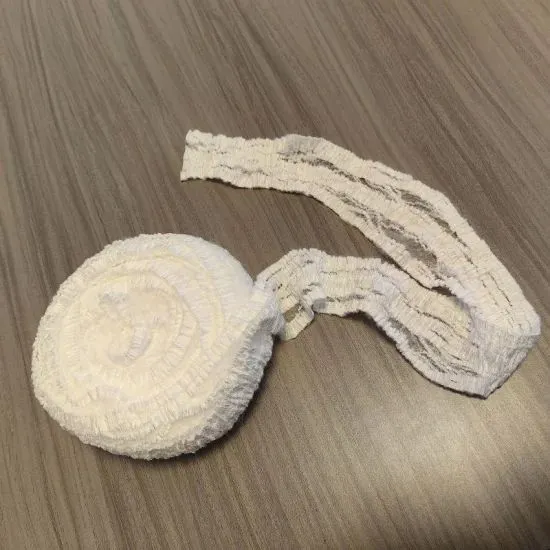
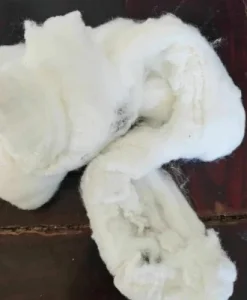
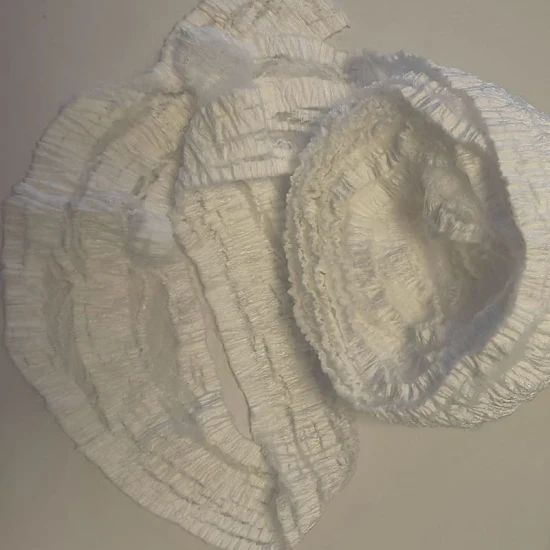
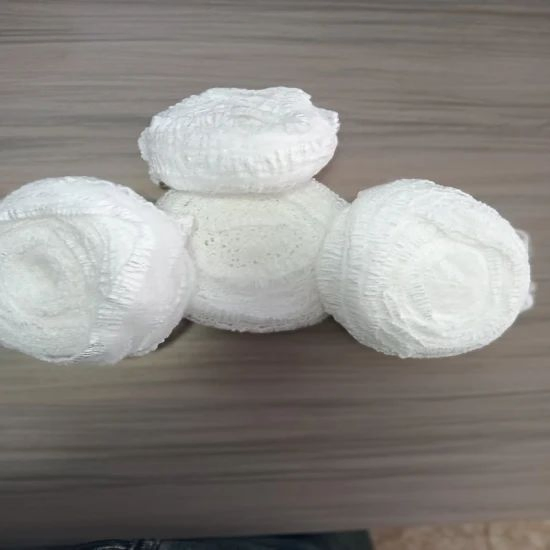
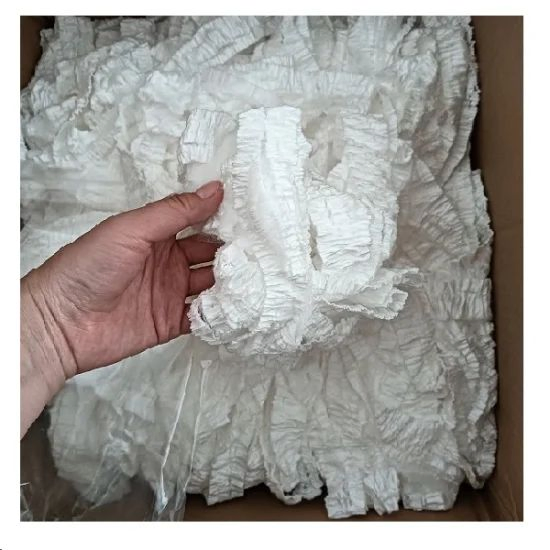
Cellulose diacetate, often referred to as diacetate, is a high-performance synthetic polymer produced by treating cellulose with acetic acid. It features two acetyl functional groups on each D-anhydroglucopyranose unit of the cellulose molecule.
This material is valued for its unique properties. While based on natural cellulose, it requires careful handling as deterioration can lead to shrinkage and the release of acetic acid (vinegar syndrome).
Specifically, Cellulose diacetate (DS 2.3~2.5) is prepared through the heating and dilution of cellulose triacetate solutions, making it soluble in acetone for processing into premium fibers or films.

| Item | Unit | Standard Range | Numerical Value | Test Method |
|---|---|---|---|---|
| Ktex | / | 25000~40000 | 3000 | YC/T169.1-2002 |
| Dtex | / | 2.5~8.0 | ±0.25 | YC/T169.2-2002 |
| Coil Number/25mm | / | 22 | ±3 | YC/T169.3-2002 |
| Tension Strength | N/Ktex | ≥7 | ≥7 | YC/T169.5-2002 |
| Section Figure | / | Y | Y | YC/T169.6-2002 |
| Moisture | % | ≤6% | ≤6% | YC/T169.8-2002 |
| Oil Content | % | 0.8%~1.5% | 0.8~1.5 | YC/T169.9-2002 |
| Odor | / | Odorless | Odorless | YC/T169.10-2002 |
| Residual Acetone | % | ≤0.006 | ≤0.006 | / |
| TiO2 Content | % | ≥0.5 | ≥0.5 | YC/T169.11-2002 |

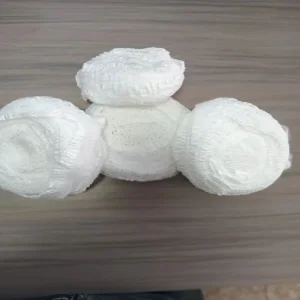
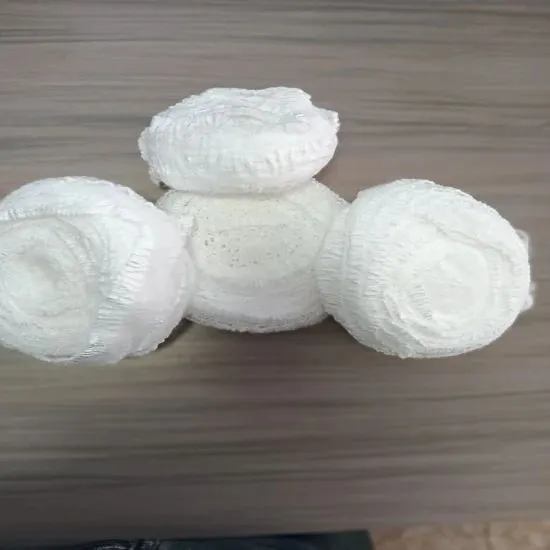
Cellulose Acetate Tow is the primary raw material used in the manufacturing of cigarette filter rods. Through a sophisticated system of stretching, gathering, and shape-setting, it is wrapped in tissue paper to meet precise customer specifications.
The resulting filter rods significantly reduce hazardous materials such as tar and nicotine while effectively preserving the authentic taste and aroma of the tobacco bouquet.
Due to its clean profile, lack of odor, stable chemical structure, and superior filtration efficiency, it is the preferred choice for global cigarette manufacturers.

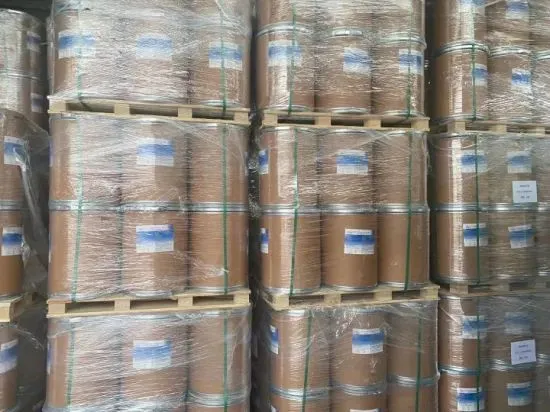
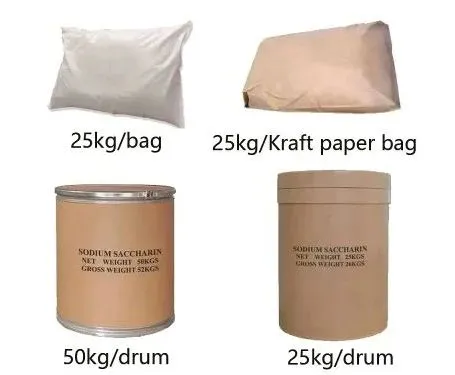


🚀 Shipping Recommendations: