What is the shelf life of e-liquid with nicotine? The honest answer is not perfectly simple. Most unopened nicotine e-liquids remain suitable for about one to two years when stored correctly. However, the exact period depends on the nicotine strength, ingredients, bottle quality, and storage conditions. A product label should remain the main reference.
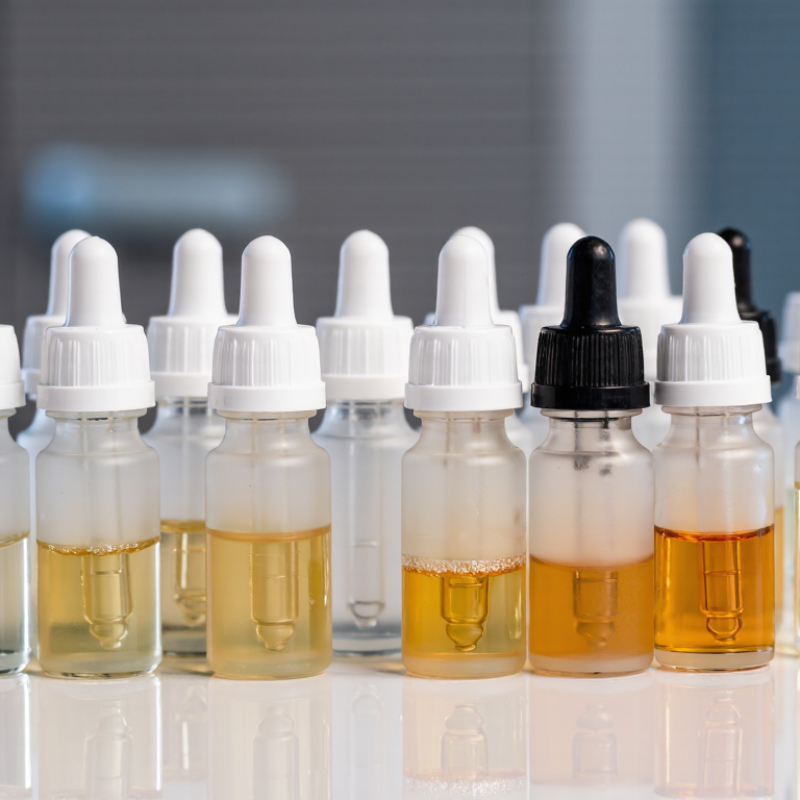
Dr. Konstantinos Farsalinos, a cardiologist and tobacco-harm-reduction researcher, has described nicotine as “a very unstable molecule.” His observation explains why storage matters. Oxygen, sunlight, and heat can gradually change nicotine and flavor compounds. A clear liquid may become yellow or amber. That change can indicate oxidation, although color alone does not prove a product is unusable. The smell and taste may also become sharper, flatter, or unusually peppery.
Keep the bottle tightly closed. Store it in a cool, dark, and dry place, such as a closed cabinet. Avoid windowsills, cars, radiators, and places with frequent temperature changes. A cracked seal, leaking bottle, strange odor, or visible particles deserves caution. Do not rely only on the printed date. Labels can be misunderstood, and personal storage conditions are often overlooked.
This guide will examine unopened and opened e-liquid, nicotine oxidation, storage habits, and signs of deterioration. The answer may feel less definite than expected. That is because shelf life is not a single fixed number. When doubt remains, replacing the bottle is the more sensible choice.
What Shelf Life Means for Nicotine E Liquid
What Is the Shelf Life of Nicotine E Liquid?
Shelf life describes how long nicotine e-liquid should maintain its expected quality, strength, flavor, and appearance. It is not a guarantee that every bottle changes on one exact date. Unopened e-liquid usually lasts longer when stored correctly, while opened liquid faces air, light, and temperature changes. Nicotine can slowly oxidize, causing a darker color and a sharper taste. Flavor ingredients may also fade over time.
Tips: Keep bottles tightly closed and store them in a cool, dark, dry place. Avoid windowsills, cars, and warm cabinets. Keep e-liquid away from children and pets. Check the printed date and follow the storage guidance on the label. Do not rely on color alone.
Real storage is rarely perfect. A bottle may spend several hours in a warm bag, then return to a cupboard. That does not automatically make it unusable, but repeated heat exposure can reduce quality. Look for unusual odors, leaking, separation, damaged packaging, or a harsh taste that was not present before. If the liquid seems questionable, discarding it is the safer choice. I would not try to “fix” old e-liquid by mixing it with a fresh bottle. Opened bottles also deserve extra caution because each opening introduces air. A simple note with the opening date can make storage decisions less guesswork.
Factors That Affect Nicotine E Liquid Stability
Nicotine e-liquid can remain stable for a limited period, but its condition depends on storage and ingredients. Nicotine slowly reacts with oxygen, light, and heat. This process may darken the liquid and weaken its original flavor. A sealed bottle usually lasts longer than an opened one because less air enters the container. The expiry date still matters. It is a useful guide, not an absolute guarantee.
The bottle material also affects stability. Tight, light-resistant containers offer better protection than thin, clear packaging. Repeated temperature changes can damage consistency. Keep the liquid in a cool, dry place, away from windows, radiators, and vehicles. Do not leave it in a warm pocket for hours. Refrigeration may seem helpful, but condensation and thickened liquid can create handling problems. My earlier assumption that “cooler is always better” was too simple.
Tips: Keep the cap tightly closed. Store bottles upright. Avoid direct sunlight. Write the opening date on the label. Check for unusual odor, separation, leaking, or a sharp change in color. Do not taste-test questionable liquid. Keep it secured away from children and pets. One imperfect detail remains: color alone cannot confirm quality, because some flavor ingredients naturally darken over time. When the liquid looks or smells noticeably different, replacing it is the more reliable choice.
How to Identify Expired or Degraded E Liquid
Nicotine e-liquid does not expire on one fixed date. Its usable life depends on ingredients, packaging, and storage conditions. Most unopened bottles remain reliable for about one to two years. The printed date offers guidance, not a guarantee. I have seen older liquid change noticeably after months in a warm drawer. Heat and sunlight speed up nicotine oxidation.
Check the bottle before using it. A darker color can signal oxidation, although some liquids naturally darken over time. Look for unusual cloudiness, floating particles, or thick sediment. Separation that does not disappear after gentle movement deserves caution. The smell may become sharp, stale, or unusually peppery. The flavor can turn harsh and unpleasant. Do not taste questionable liquid to test it.
Small details matter. Examine the cap, seal, and bottle for leaks or swelling. A damaged seal allows air and contamination inside. Store unopened liquid in a cool, dark, dry place. Keep it away from children, pets, and direct heat. Refrigeration is not always practical, because condensation may form after removal. Never use liquid that looks contaminated or has changed dramatically. Dispose of it according to local household chemical guidance. My own judgment is not perfect; color alone can mislead, so several warning signs should be considered together.
Proper Storage Methods to Extend E Liquid Shelf Life
Nicotine e-liquid does not last forever. An unopened bottle often remains usable for about one to two years, but the printed date matters most. Heat, light, air, and moisture can shorten that period. Once opened, quality may change faster because oxygen enters the bottle. In practice, a bottle stored in a warm car ages differently from one kept in a cupboard. Shelf life is an estimate, not a promise.
Store e-liquid upright in its original, tightly closed container. Choose a cool, dark, and dry cabinet. Keep it away from windowsills, radiators, kitchens, and freezing temperatures. Stable room temperature is usually safer than repeated warming and cooling. Wipe the cap and bottle threads after use. Small leaks can invite contamination and waste. Do not transfer the liquid into food containers or unlabelled bottles. Keep it locked away from children, pets, and anyone who could mistake it for another liquid.
Before use, inspect the liquid carefully. Slight darkening can happen with age, especially after opening, but color alone cannot prove safety. A sharp or unusual smell, separated layers, damaged packaging, or persistent cloudiness is a reason not to use it. Do not shake it aggressively to hide changes. I would rather discard a questionable bottle than rely on memory or guesswork. Write the opening date on the label. Even careful storage cannot reverse nicotine degradation.
What Is the Shelf Life of Nicotine E Liquid? - Proper Storage Methods to Extend E Liquid Shelf Life
Typical nicotine e-liquid shelf life and recommended storage practices
| Storage Condition |
Typical Usable Period |
Expected Changes Over Time |
Recommended Method |
| Unopened bottle, stored correctly |
About 12–24 months, or until the stated best-before date |
Nicotine strength, flavor, color, and vapor characteristics may gradually decline |
Keep tightly sealed in a cool, dark, dry place and follow the date printed on the packaging |
| Opened bottle, stored correctly |
Preferably within 6–12 months |
Repeated exposure to air can accelerate nicotine oxidation and flavor deterioration |
Close the cap immediately after use, minimize air space, and avoid frequent unnecessary opening |
| Exposed to direct sunlight or strong indoor light |
May deteriorate noticeably sooner than the stated shelf life |
Faster darkening, weaker flavor, and possible loss of nicotine potency |
Store in an opaque cabinet or original light-resistant packaging away from windows |
| Stored in high heat |
Shelf life may be shortened significantly |
Heat can speed chemical degradation and may increase leakage or pressure inside the bottle |
Avoid cars, radiators, hot rooms, and other locations with prolonged heat exposure |
| Stored in a refrigerator |
Can help maintain quality when sealed properly |
Liquid may become thicker or cloudy while cold; condensation can occur after removal |
Use an airtight, leak-resistant container and allow the bottle to return to room temperature before opening |
| Stored in a freezer |
Generally unnecessary for normal household storage |
The liquid may become extremely viscous, and repeated freezing and thawing can affect consistency |
Avoid unless the formulation guidance specifically recommends it; never open while frozen |
| Stored with the cap loose or missing |
Quality can decline rapidly |
Greater oxidation, evaporation, contamination risk, and possible nicotine strength changes |
Keep the original child-resistant cap firmly closed and replace damaged closures |
Quality check: Do not use e-liquid if it develops an unusual or foul odor, visible particles, unexpected separation, leaking contamination, or a significantly altered flavor. A darker color alone can result from nicotine oxidation, but it may also indicate aging and reduced quality.
Safety note: Keep nicotine e-liquid tightly sealed and out of sight and reach of children and pets. Store it separately from food and medicines, and follow the product’s printed storage instructions and best-before date whenever they differ from these general guidelines.
Safe Handling and Disposal of Expired E Liquid
Nicotine e-liquid does not stay fresh forever. Most unopened bottles remain usable for about one to two years when stored correctly. Heat, sunlight, air, and moisture can speed up deterioration. A darker color, sharp smell, unusual thickness, or separated liquid may indicate aging. These signs are not perfect evidence. My own judgment would not replace the product’s printed date or safety guidance.
Expired e-liquid needs careful handling. Keep it in its original, tightly closed bottle. Place the bottle inside a sealed bag or container. Store it away from children, pets, food, and direct sunlight until disposal. Wear disposable gloves if the bottle leaks. Avoid touching your face, and wash your hands with soap afterward. Never pour nicotine liquid into a sink, toilet, or outdoor drain. It can contaminate water and harm wildlife.
Contact local household hazardous-waste services for disposal instructions. Requirements can differ between communities. Some collection points accept nicotine-containing liquids, while others provide special drop-off days. Do not mix old e-liquid with cleaners, oils, or other chemicals. If liquid spills, keep people and animals away, absorb it with disposable material, and follow local spill guidance. I once assumed a nearly empty bottle was harmless, but residue still deserved careful treatment. Small amounts matter.
What Is the Shelf Life of Nicotine E-Liquid?
Typical quality-use windows vary with packaging and exposure. Always follow the product’s printed expiration date when available.
A sealed bottle may retain acceptable quality for about 18–24 months when stored in a cool, dark place.
Once opened, using it within approximately 6–12 months is a cautious handling guideline because air, heat, and light can accelerate nicotine oxidation.
Discard the liquid immediately if it develops an unusual smell, substantial darkening, leakage, damaged packaging, or separated contents that do not remix.
Keep nicotine e-liquid tightly closed and away from children, pets, heat, and direct sunlight. Do not pour expired liquid into sinks, toilets, or soil.
Seal the bottle in a leak-proof bag and follow local household hazardous-waste or chemical-disposal rules. Wash hands after handling spills.
FAQS
It describes how long the liquid may retain its expected strength, flavor, quality, and appearance. It is an estimate, not a guarantee.
An unopened bottle often remains usable for about one to two years. Check the printed date and storage guidance. Not forever.
Usually, yes. Each opening introduces air, which can slowly oxidize nicotine and weaken the original flavor. Write the opening date on the label.
Keep it upright in a cool, dark, dry cabinet. Avoid windowsills, radiators, kitchens, cars, and warm bags.
Not always. Condensation and thickened liquid can create handling problems. Stable room temperature is usually safer than repeated warming and cooling.
Watch for unusual odors, leaking, separated layers, damaged packaging, persistent cloudiness, or a suddenly harsh taste. When unsure, discard it.
Not necessarily. Nicotine and some flavor ingredients can darken over time. Color alone cannot confirm quality.
Do not taste-test it or shake it to hide changes. Replacing a questionable bottle is safer than guessing or mixing it with a fresh one. I may have underestimated heat exposure before.
A tightly closed, light-resistant container generally protects the liquid better than thin, clear packaging. Keep the original label attached.
Keep the bottle secured away from children and pets. Wipe the cap and threads after use, and clean small leaks promptly.
Conclusion
What is the shelf life of e-liquid with nicotine? In general, properly stored nicotine e-liquid can remain usable for around one to two years, although its quality may gradually decline over time. Its stability depends on factors such as exposure to heat, light, air, and moisture, as well as the condition of the container and the ingredients used. Nicotine may oxidize, causing the liquid to become darker and develop a harsher smell or taste.
To extend its shelf life, keep e-liquid tightly sealed in a cool, dark, and dry place, away from direct sunlight and temperature changes. Before use, check for unusual color, odor, separation, cloudiness, or changes in texture. If the liquid appears significantly degraded or has passed its recommended date, do not use it. Handle nicotine-containing products carefully, keep them away from children and animals, and dispose of expired liquid and containers according to local household hazardous-waste guidance rather than pouring them down drains.

 Zeno Vape