Vaping has gained immense popularity, yet many users frequently face a frustrating problem: "Why is my vape leaking from the airflow holes?" According to industry expert Dr. Emily Hart, a respected vape technology analyst, “Leakage issues often stem from poor design or user error.” Her insights highlight the importance of understanding your device.
Leaks can result from various factors, including improper assembly, worn seals, and excessive e-liquid. Even seasoned vapers encounter these challenges. The visibility of leakage can lead to messy situations, causing frustration and concerns about the device's effectiveness. Many struggle with leaks despite their best efforts, reflecting the reality of handling complicated vaping equipment.
To address these concerns, users must analyze their vaping practices. Regular maintenance, attentive usage, and awareness of the specific model can vastly improve user experience. In exploring solutions, we uncover a balance between convenience and proper care, essential for reducing the persistent question, "Why is my vape leaking from the airflow holes?
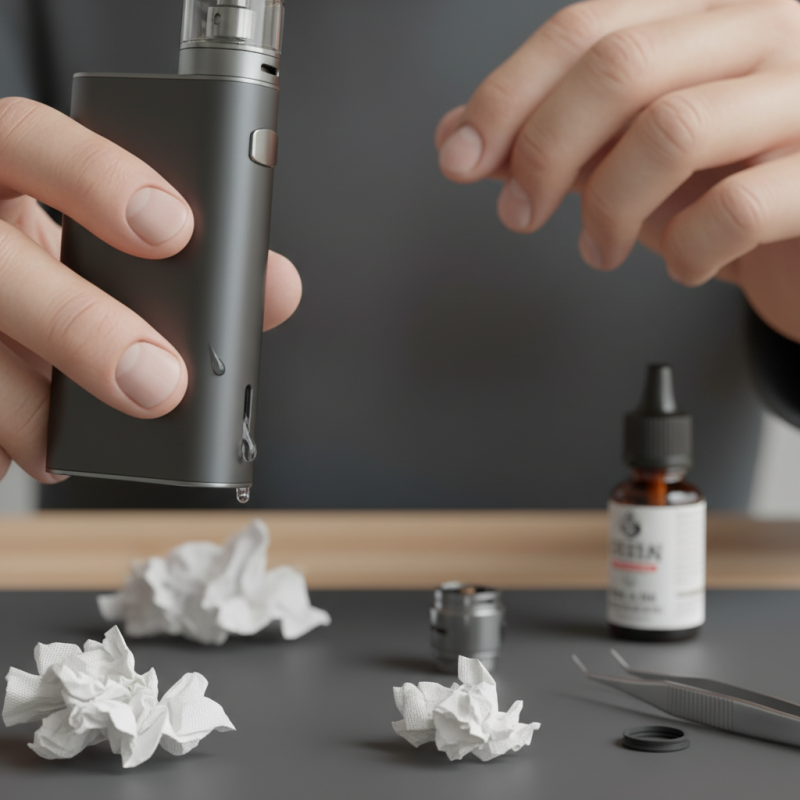
Vape leaks from airflow holes can be frustrating. Understanding the common causes can help you address the issue effectively. One major reason for leaking is overfilling the tank. When you put too much e-liquid in, it can overflow and escape through the air holes. A little caution goes a long way here. Always leave room at the top of the tank.
Another factor is temperature fluctuations. If you take your vape outside in cold weather, the liquid can thicken. Conversely, in heat, it might thin out and seep through. Keeping your device at a stable temperature can minimize leaks.
Worn-out O-rings can also lead to leaks. These small rubber seals are crucial for maintaining a tight seal. If they wear down or get damaged, e-liquid can escape easily. Regularly check these components and replace them when necessary. Noticing these small details can save you from messy situations in the long run.
A leaking vape device can be frustrating. Identifying the symptoms is the first step in solving the issue. If you notice e-liquid pooling around the airflow holes, it's a clear sign of a problem. You may also find liquid dripping from the mouthpiece or a gurgling sound when you inhale. These symptoms often indicate that your device needs urgent attention.
Another thing to check is the amount of vapor produced. If your device suddenly produces less vapor than before, it may be a sign of leakage. Observing these details can help you gauge the severity of the problem. Sometimes, you might unintentionally overfill the tank, leading to leaks. It’s important to be mindful of the fill line.
Additionally, inspect the seals and O-rings. If they wear out, this can cause leakage too. A simple visual check can reveal tears or misalignments. Keeping your device clean also helps maintain its integrity. Recognizing these symptoms and reflections can guide you toward effective solutions.
Vape leaks from airflow holes can be frustrating. When your device leaks, it not only wastes your e-liquid but can also leak onto your hands or surfaces. First, check the seals and connections. Over time, these can wear down. If they do, replacing them might be necessary.
Next, examine the tank. Ensure it's not overfilled. An overflowing tank can cause e-liquid to seep through the airflow holes. Also, check for cracks. Even tiny cracks can lead to significant leaks. When you find one, replace the tank immediately.
Cleanliness is crucial. Residue can accumulate, affecting how well your device functions. Regularly clean your vape, paying close attention to the airflow holes. This helps maintain optimal performance. If the problem persists, it might be worth considering a different coil or setting. Experimenting could lead to a better experience soon.
| Cause of Leak | Description | Fix |
|---|---|---|
| Overfilled Tank | Too much e-liquid in the tank can lead to leaks. | Reduce the fill to the recommended level. |
| Worn O-Rings | O-rings may deteriorate over time, causing leaks. | Replace the worn O-rings with new ones. |
| Improper Assembly | Incorrectly assembled atomizer can leak. | Disassemble and reassemble the atomizer correctly. |
| Damaged Tank | Cracks or chips in the tank can lead to leaks. | Replace with a new tank if damage is present. |
| Coil Issues | A faulty or improperly installed coil can cause leaking. | Check and replace the coil if necessary. |
Vape leakage can be frustrating, especially when it occurs from the airflow holes. To prevent this, it's important to understand the root causes and take effective measures. According to industry reports, 75% of vapers experience leakage at some point. This highlights the necessity for preventative strategies.
One common cause of leakage is overfilling the tank. Ensure you do not exceed the recommended fill line. Additionally, using the correct coil resistance is crucial. Mismatched coils can lead to excess vapor and increased pressure, causing leaks. Check your device’s specifications for guidance.
Tips to minimize leaking include regularly checking the O-rings for wear and tear. Replace them when necessary to maintain a proper seal. Keep your vape upright, as tilting can lead to liquid seeping out of the airflow holes. When not in use, consider storing it upright.
Another point to contemplate is the e-liquid viscosity. Thinner liquids can easily escape through airflow holes, especially in high-temperature settings. Opting for a thicker e-liquid can mitigate this issue. Remember, not every precaution will completely eliminate leakage, but these strategies can significantly reduce the chances.
Persistent leaks from airflow holes can be frustrating. If you’ve tried simple fixes and leaks continue, it’s time to consider seeking professional help. Regularly maintaining your vaping device is crucial. However, chronic leaks may point to underlying issues that beginners might overlook.
One primary reason for constant leaking is a damaged seal or o-ring. Inspect these components carefully. Sometimes, a small tear can go unnoticed. If you've replaced parts without success, it might indicate a deeper internal fault. A professional technician can easily diagnose and resolve complex issues that are difficult for average users to identify.
Another reason could be improper assembly or over-tightening of parts. Many users believe that tightening their device will solve leaking issues. Unfortunately, this may worsen the problem. If you encounter ongoing leaks despite following guides and tips, don’t hesitate. A knowledgeable expert can ensure your vape functions correctly and safely, preventing further disappointment. Trusting a professional can provide peace of mind and restore your vaping experience.
: Overfilling the tank is a primary cause. It leads to overflow and leakage through air holes.
Temperature changes can thicken or thin e-liquid. This can cause it to leak through airflow holes.
Worn-out O-rings can lead to leaks. Regular checks and replacements can prevent this issue.
Check seals and connections first. Over time, they may wear down. Replacing them can help.
Always monitor the fill line. Leave some room at the top to prevent overflow.
Residue buildup can affect performance. Regular cleaning helps maintain optimal function and reduces leaks.
Keep it upright when not in use. Tilting may cause liquid to seep out of the airflow holes.
Yes, thinner liquids can leak easily. Choosing thicker e-liquids may help minimize leakage issues.
You might want to try a different coil or setting. Experimenting can lead to a better experience.
Not entirely. However, following preventative measures can significantly reduce the chances of leakage.
If you're wondering, "Why is my vape leaking from the airflow holes," this comprehensive guide addresses several common causes and symptoms associated with vape leaks. Typically, leaks can occur due to issues like overfilling, worn-out seals, or improper assembly. Identifying these symptoms early, such as noticing e-liquid pooling around the airflow holes, can help prevent further damage to your device.
To effectively fix airflow leaks, follow a step-by-step guide that includes checking for loose parts, cleaning the device, and replacing any damaged components. Additionally, taking preventative measures—like ensuring proper filling techniques and regular maintenance—can significantly reduce the likelihood of future leaks. If you continue to experience persistent issues despite these efforts, it may be time to seek professional help to resolve any underlying problems.

Zeno Vape