What Is the Safest Way to Charge a Disposable Vape?

Time:2026-10-30 Author:Aria
0%

A disposable vape may look simple, but its battery and charging port still need careful handling. The safest option is to follow the manufacturer’s instructions and charge the device only if it is designed to be rechargeable. Stop if the casing feels hot, looks damaged, or smells unusual. Small warning signs matter.

People often search “How to charge a disposable vape without a charger” when the original cable is missing. That situation calls for caution, not a makeshift connection. Do not strip wires, force a connector into the port, or leave a device charging unattended. A mismatched power source can overheat a small battery. If the manufacturer does not approve charging, do not try to recharge it.

Vaping researcher Dr. Konstantinos Farsalinos has published research on electronic-cigarette devices and their use. His broader work supports a practical principle: device design matters, so users should follow device-specific guidance. This is a paraphrase, not a verified direct quotation about charging. That distinction matters. When instructions are unclear, contact the manufacturer or replace the device through an appropriate retailer. A cable that fits is not proof of safety. Even careful users can misjudge a damaged port. Safety guidance should be honest about that uncertainty.
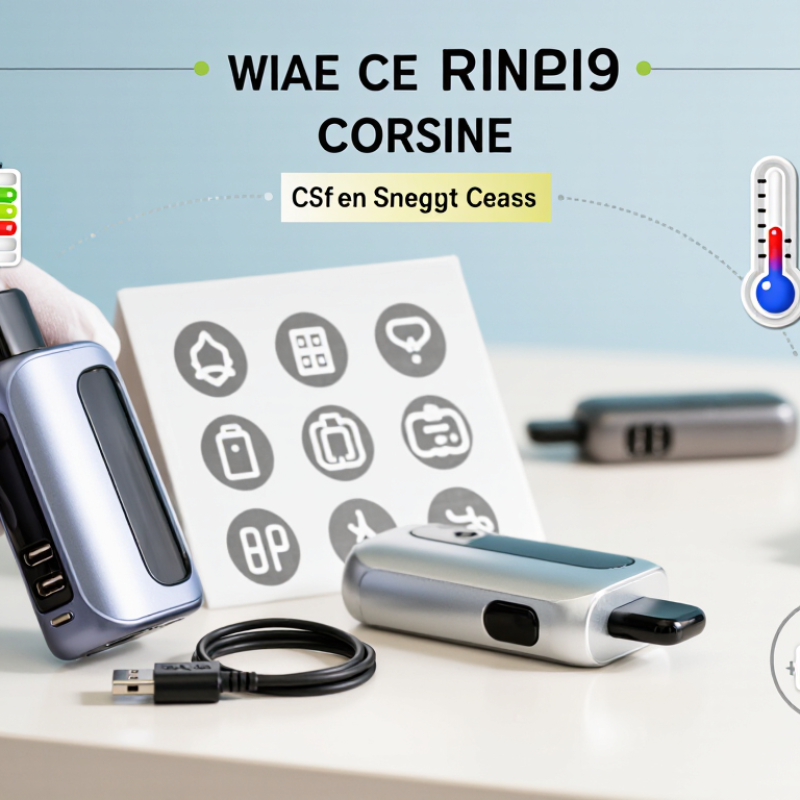
What Is the Safest Way to Charge a Disposable Vape?

Check Whether the Disposable Vape Is Designed to Be Recharged

Check the device label and instruction sheet before connecting any cable. They should explicitly state that the model is rechargeable and explain its charging method. A USB port alone does not prove safe rechargeability; some ports serve other purposes, and sealed devices may not be designed for repeat charging.

Not enough. If the instructions are missing or unclear, do not charge it. Do not open the casing or improvise a connection.

If charging is explicitly supported, use the specified cable and power source, and charge on a dry, hard surface away from bedding or paper. Stay nearby, disconnect the device when charging ends, and stop if it becomes unusually hot, swollen, damaged, or gives off an odor.

The U.S. Fire Administration’s 2017 report, Electronic Cigarette Fires and Explosions, reviewed 195 reported fire and explosion incidents from 2009 to 2016, with 133 acute injuries. Those figures cover e-cigarettes broadly, not disposable devices alone, but they underscore why device-specific instructions matter.

A loose cable or warm casing can seem harmless; it is worth pausing rather than guessing.

Inspect the Device and Charging Port for Damage

What Is the Safest Way to Charge a Disposable Vape?

Inspect the Device and Charging Port for Damage

Before connecting any cable, check whether the device is designed to be recharged. Many disposable vapes are not. A visible port alone does not confirm that charging is safe; follow the device’s instructions, and do not charge it if they are missing or unclear. Small details matter. Look for cracks, swelling, leaks, or a casing that feels unusually warm.

Inspect the charging port in good light. It should be dry, clean, and firmly attached, with no bent parts, dark marks, or corrosion. Don’t insert a tool or scrape inside the port. If the cable fits loosely, the device has been dropped, or you notice a burnt smell, stop. A damaged battery can fail without much warning. I might be tempted to dismiss a tiny crack, but that’s not a risk worth taking.

Tips: Charge only a device explicitly made for recharging, using its recommended cable. Keep it on a dry, hard surface while you stay nearby. Stop if it heats up, swells, leaks, or makes an unusual sound. Do not use it again.

Use Only the Charging Method Recommended by the Manufacturer

A disposable vape should be charged only if its instructions say it is rechargeable. If no charging method is listed, do not connect it to a cable. A port alone is not enough to confirm that charging is safe. Check the device leaflet or packaging, and follow its exact guidance. Use the specified cable and power source. Avoid substituting a fast charger or a loose, damaged cable.

Keep it dry. Keep it cool. Charge the device on a clear, stable surface, away from bedding, paper, and direct sunlight. Stay nearby while it charges, and disconnect it when the instructions say charging is complete. Do not leave it charging overnight or unattended. If the device becomes unusually hot, swells, leaks, smells odd, or shows visible damage, stop charging and keep it away from flammable materials. I would not try to repair it or test another charger; that can make a small fault worse. Follow the maker’s disposal guidance for a damaged device.

What Is the Safest Way to Charge a Disposable Vape? — Use Only the Charging Method Recommended by the Manufacturer

Many disposable vapes are not designed to be recharged. Charge a device only if its manufacturer explicitly states that it is rechargeable and provides charging instructions.

Safety dimension Safer practice Avoid
Confirming whether charging is supported Check the device instructions or packaging for explicit confirmation that the model is rechargeable. Do not charge a device that is not identified as rechargeable, or one with no charging instructions.
Charging equipment Use the cable and power source specified by the manufacturer. Follow any stated limits or requirements. Do not guess which cable or power source is suitable, or use damaged, modified, or incompatible accessories.
Charging location Place the device on a stable, dry, non-combustible surface, away from bedding, paper, and other flammable materials. Do not charge it on a bed, under a pillow, or where it may be covered or exposed to moisture.
Supervision and timing Stay nearby while it charges and disconnect it when the manufacturer’s instructions indicate charging is complete. Do not leave it charging unattended or overnight.
Heat or visible damage Stop charging if the device becomes unusually hot, swells, leaks, smells unusual, or appears damaged. Keep it away from people and flammable materials. Do not continue charging, open, puncture, or attempt to repair a damaged device.
After charging Disconnect the device and store it in a cool, dry place away from direct sunlight and heat. Do not leave it connected to power after charging is complete.
Disposal Follow local guidance for battery or electronic-waste disposal; use an appropriate collection point where available. Do not put a device with a built-in battery in household recycling unless local rules specifically allow it.

Monitor Charging and Disconnect the Device When It Is Ready

Check the device’s instructions before connecting a cable. Some disposable vapes are not designed to be recharged. If yours has no clear charging guidance, do not try to charge it. Use only the cable and power source specified by the manufacturer, and place the device on a dry, hard surface away from bedding, paper, and direct sunlight. Keep it in sight while it charges. Stay nearby.

Watch for the charging light or other indicator described in the instructions. Disconnect the device once it shows that charging is complete; do not leave it plugged in overnight or while you are away. Indicators can be small, and it is easy to miss them, so check periodically rather than relying on a timer. Stop charging if the device becomes unusually hot, smells odd, leaks, or looks swollen or damaged. Unplug the power source if it is safe to do so, and do not use the device afterward. I might be tempted to assume a warm casing is normal, but unusual heat is a reason to pause, not guess. Keep charging cords and devices away from water and children.

Stop Charging if the Device Overheats, Swells, or Leaks

Many disposable vapes are not designed to be recharged. Charge one only if its label or instructions explicitly allow it. Use the recommended cable and a stable, dry surface away from paper, bedding, and direct sunlight. Stay nearby, and unplug it when charging ends. Do not charge it overnight or leave it in a hot car. A warm casing can be easy to dismiss, but that is not a reliable safety check.

Stop right away. If the device becomes unusually hot, swells, leaks, or develops a gap in its casing, disconnect it only if you can do so safely. Do not keep using it, press the swollen area, open the casing, or try to repair it. Keep people and pets away, and avoid touching leaked liquid with bare hands. If it is smoking, hissing, or too hot to approach, move away and contact emergency services.

Put a damaged device on a nonflammable surface away from anything that can burn, only if moving it is safe. Don’t put it in household rubbish or a recycling bin. Ask local hazardous-waste services or an appropriate e-waste facility how to dispose of it; handling rules can vary. A simple visual check cannot confirm that a battery is safe.

What Is the Safest Way to Charge a Disposable Vape?

Only charge a disposable vape if it is explicitly designed to be rechargeable, and follow its instructions. Use the specified charging equipment and stay nearby while it charges. Stop immediately if the device overheats, swells, or leaks; do not use or charge a damaged device.

FAQS

How can I tell whether a disposable vape is rechargeable?

Check its label and instructions. They must explicitly allow charging and explain how. A USB port alone is not enough.

What should I do if the instructions are missing or unclear?

Do not charge it. Don’t open the casing or improvise a connection. Guessing is not a safety check.

Where should I charge a device that is approved for charging?

Use the specified cable and power source. Place it on a dry, hard surface, away from paper and bedding.

Can I leave it charging overnight or in a hot car?

No. Stay nearby, unplug it when charging ends, and keep it out of hot cars. Small details matter.

What signs mean I should stop charging?

Stop if it becomes unusually hot, swells, leaks, smells odd, or develops a gap in its casing. Stop immediately.

What should I do if the device is smoking or hissing?

Move away and contact emergency services. Don’t touch or approach a device that is too hot or actively smoking.

How should I handle leaked liquid or a damaged device?

Keep people and pets away. Avoid touching leaked liquid with bare hands, and don’t press, open, or repair the device.

Where can I take a damaged device for disposal?

If it is safe to move, place it on a nonflammable surface away from burnable items. Ask local hazardous-waste services or an e-waste facility about disposal. Rules vary, and a visual check cannot confirm battery safety.

Conclusion

The safest approach begins by checking whether the disposable vape is specifically designed to be recharged. If it is not, do not try to charge it. Before connecting a rechargeable device, inspect its body and charging port for cracks, dents, corrosion, moisture, or other damage; never charge a device that appears compromised. Use only the charging method and power source recommended by the manufacturer, and avoid improvised cables, adapters, or workarounds. If you are wondering “How to charge a disposable vape without a charger,” do not substitute an unapproved method; wait until you can use the recommended equipment.

Stay nearby while the device charges, place it on a stable, nonflammable surface, and disconnect it once it is ready. Stop charging immediately if it becomes unusually hot, swells, leaks, or develops an unusual smell. Do not use or attempt to repair a damaged device; keep it away from heat and dispose of it through an appropriate battery or electronic-waste collection option.

Aria

Aria

Aria is a dedicated marketing professional with a deep passion for innovative strategies and a keen understanding of our company's product offerings. With a wealth of experience in the industry, Aria excels at crafting engaging content that highlights the unique features and benefits of our......