How much CBD should I vape for anxiety? The honest answer is uncomfortable: there is no universal number. CBD may feel calming for some adults, yet vaping can produce inconsistent results. Device strength, inhalation depth, product purity, body chemistry, and anxiety triggers all influence the experience. More is not automatically better.
Dr. Ethan Russo, a neurologist and cannabinoid researcher, has said, “The endocannabinoid system is involved in virtually every human disease.” His observation highlights why individual responses can differ. It does not prove that CBD treats anxiety, nor does it establish a safe vaping dose for everyone. Evidence remains limited, especially for inhaled CBD products. Clinical guidance should therefore focus on caution, measurable products, and realistic expectations.
Start with questions, not assumptions. Is the product third-party tested? Does its label clearly state CBD concentration? Does it contain THC, nicotine, solvents, or unexplained additives? A reputable clinician can review your medications, lung health, pregnancy status, and anxiety symptoms before use. Vaping may irritate the lungs, and CBD can interact with certain medicines. Stop if you experience chest discomfort, dizziness, breathing trouble, or worsening distress. Seek urgent care for severe symptoms.
Small details matter. Keep a written record of product strength, inhalations, timing, and effects. Avoid driving or combining CBD with alcohol or sedatives. This guide explores practical safety considerations, but it cannot replace personal medical advice. The better question may not be “What is the strongest amount?” It may be, “What is safest for me?”
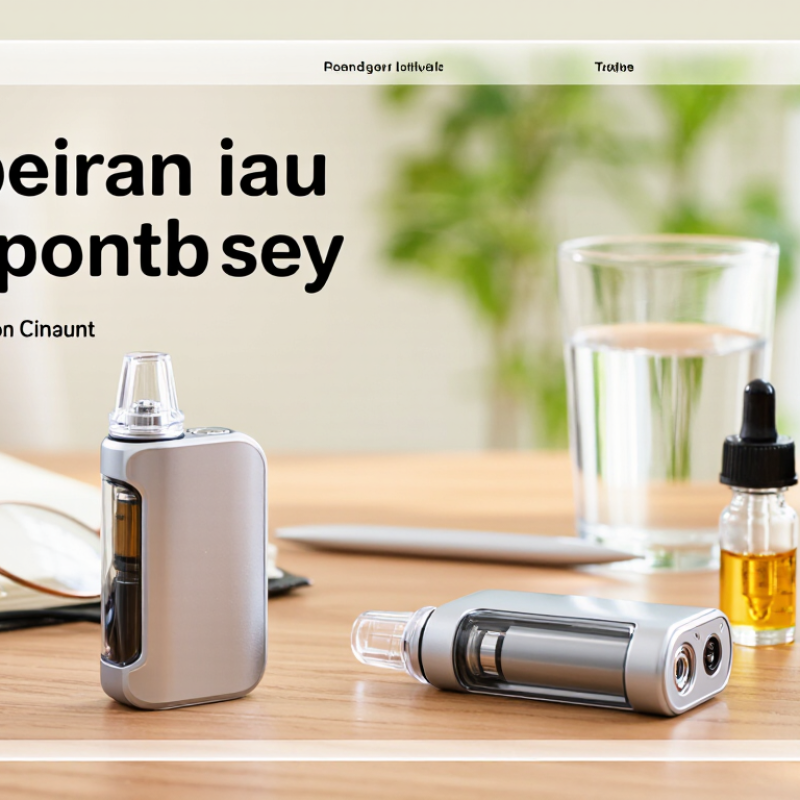
CBD vaping is often discussed as a fast option for anxiety, but the science remains limited. The World Health Organization’s 2018 review found that CBD showed potential, yet clinical evidence for anxiety relief was still insufficient. No universally accepted vaping dose exists.
Tip 1: Speak with a healthcare professional before trying CBD, especially if you take anxiety, sleep, or blood-pressure medication.
Tip 2: Start with the lowest labeled amount, not a guessed number of inhalations. Wait and observe.
Vapor delivery can feel immediate, but “fast” does not mean “stronger.” A 2017 JAMA analysis tested 84 CBD products and found only about 31% were accurately labeled. Some contained less CBD, while others contained more than stated.
Tip 3: Choose products with independent laboratory testing and clear ingredient lists.
Tip 4: Avoid liquids with unclear additives, nicotine, or heating instructions. Lung irritation is a real concern. The long-term effects of vaping CBD remain uncertain.
Keep a simple record: product strength, inhalations, timing, anxiety level, and physical effects.
Tip 5: Do not increase use quickly after one uncomfortable day. More vapor may increase dizziness, dry mouth, drowsiness, or palpitations without improving anxiety.
A practical reflection: the evidence still feels incomplete. If anxiety worsens, breathing becomes difficult, or confusion appears, stop using it and seek medical advice. Never drive while feeling impaired.
CBD vape amounts are not one-size-fits-all. Concentration, device power, inhalation depth, body size, and previous exposure all matter. Start slowly. One small inhalation can deliver different amounts across devices. Check the label for CBD per milliliter, ingredients, batch testing, and contaminants. The awkward part is that labels are not always perfectly accurate.
Anxiety symptoms also change with sleep, caffeine, stress, and medication use. These factors can make one person feel calm while another feels dizzy or uncomfortable. In a 2019 randomized trial involving 57 adults with social anxiety, 300 mg of oral CBD reduced anxiety during a public-speaking test. However, the study did not test vaping. The National Academies’ 2017 report described evidence for anxiety treatment as limited, while the World Health Organization’s 2018 review also called for stronger human research.
Consider your product’s CBD concentration, not just the number of puffs. Device temperature may alter inhaled exposure. Avoid mixing CBD with alcohol or sedating medicines without medical advice. A pharmacist or clinician can review possible interactions, especially with antidepressants, sleep medicines, or seizure treatments.
Stop if you experience chest discomfort, severe drowsiness, confusion, or worsening anxiety. Keep a simple record of timing, inhalations, symptoms, and sleep. It may reveal patterns, but it cannot replace professional guidance.
Vaping CBD for anxiety should begin with caution, not a target number. Inhaled CBD may act quickly, but effects vary with concentration, device, body size, medications, and stress. Speak with a qualified healthcare professional before trying it, especially if you take prescription medicine or have asthma. Ask about interactions and respiratory risks. Do not guess.
Choose a legal product with clear CBD amounts, complete ingredients, and recent independent laboratory testing. Avoid liquids with unclear contents or exaggerated anxiety claims.
One small puff is a cautious starting point. Wait at least 15 to 30 minutes before considering another puff. Effects can feel subtle at first. More is not automatically better.
Keep a simple record of the product, puff size, timing, mood, and side effects. A paper note beside the device works well. Stop if you feel dizzy, unusually sleepy, confused, or short of breath. Never drive after vaping, and do not combine it with alcohol or sedating medicines without medical advice. Vaping is not harmless. That matters.
A cautious routine is not perfectly predictable. I would not promise that CBD will relieve anxiety, because evidence and individual responses remain mixed. If anxiety continues, worsens, or disrupts sleep and work, pause the routine and seek professional care. CBD should not replace proven treatment or urgent help.
When asking, “How much CBD should I vape for anxiety?” begin with caution, not a target number. CBD products vary in concentration, purity, and labeling accuracy. A healthcare professional can review your medicines, liver health, pregnancy status, and anxiety symptoms before you adjust use. Never assume a higher amount works better.
Watch your body closely. Record the product strength, number of inhalations, time, mood, sleep, and physical symptoms. Start with the lowest practical amount advised by a clinician, then change only one factor at a time. Give your response time before adding more. Common warning signs include dizziness, dry mouth, nausea, unusual sleepiness, poor concentration, or feeling unsteady. Stop driving if these appear. Do not combine CBD with alcohol or sedating medicines without medical advice.
Pay attention to your anxiety itself. If worry, panic, irritability, racing thoughts, or low mood becomes stronger, pause use and contact a healthcare professional. Chest pain, fainting, severe confusion, breathing difficulty, or signs of an allergic reaction require urgent medical help. Vaping can also irritate the throat and lungs, especially when ingredients or heating conditions are unclear. That detail is easy to overlook. Keep the product away from children and pets, and reconsider whether vaping is suitable for you. Monitoring is not perfect; symptoms can come from stress, medication changes, or the product itself. A pharmacist can help separate those possibilities.
Signs to Monitor When Adjusting CBD Use for Anxiety
The chart uses the validated GAD-7 score ranges: minimal anxiety is 0–4, mild is 5–9, moderate is 10–14, and severe is 15–21. It is a monitoring reference, not evidence that CBD changes anxiety or a recommended vaping dose.
There is no universally established CBD vaping dose for anxiety. If you use CBD, discuss it with a healthcare professional, avoid driving if you feel drowsy or impaired, and monitor dizziness, sedation, dry mouth, diarrhea, worsening anxiety, allergic symptoms, or medication interactions. Seek urgent medical help for severe symptoms.
How Much CBD Should I Vape for Anxiety? Safety Limits, Medication Interactions, and When to Seek Medical Advice
There is no established safe vaping dose of CBD for anxiety. The evidence remains limited. The National Academies’ 2017 report found only modest evidence for CBD and anxiety relief. Vaping also makes dosing difficult because device temperature, liquid strength, and inhalation depth change delivery. “A few puffs” is not a reliable measurement. I would not treat a product label as medical guidance.
FDA-reviewed epilepsy studies used 10 or 20 mg/kg of oral CBD daily, under clinical supervision. Those results do not establish a safe vaping amount for anxiety. The World Health Organization’s 2018 Critical Review Report described CBD as generally tolerated, but highlighted important gaps in long-term safety data. That uncertainty matters. Lung exposure is different from swallowing CBD.
CBD may alter liver enzymes that process medicines. This can increase or reduce medication levels. Extra caution is needed with blood thinners, antiseizure medicines, sedatives, and some antidepressants. Ask a doctor or pharmacist before using CBD, especially during pregnancy, breastfeeding, or treatment for liver disease. Do not combine it casually with alcohol or other calming medicines. Seek urgent medical care for chest pain, fainting, severe confusion, breathing trouble, unusual bleeding, or yellow skin. Stop and reassess if anxiety worsens. My own caution is imperfect: research often measures oral CBD, while consumers may vape products with inconsistent contents.
Important: There is no medically established or universally safe vaping dose of CBD for anxiety. Evidence for CBD in anxiety remains limited, and vaping products can deliver unpredictable amounts. Speak with a qualified healthcare professional before use, especially if you take medication or have a medical condition.
| Tip | What the Evidence and Safety Guidance Suggest | Practical Safety Step | When to Seek Medical Advice |
|---|---|---|---|
| 1. Do not assume a standard vaping dose exists | No established dose range has been determined for inhaled CBD to treat anxiety. The amount absorbed can vary with liquid concentration, device temperature, inhalation technique, lung function, and product quality. A label showing a total amount of CBD does not reveal how much is absorbed per inhalation. | Do not use a high-concentration liquid or repeatedly inhale to chase an immediate effect. If a clinician agrees that CBD is appropriate, follow the product instructions and use the lowest exposure that achieves a clearly defined goal. | Consult a clinician before starting if you have anxiety symptoms, panic attacks, asthma, chronic lung disease, liver disease, or a history of substance-use problems. |
| 2. Treat vaping as a higher-uncertainty route | Inhaled CBD may enter the bloodstream quickly, but long-term safety of CBD vaping is not well established. Aerosols may contain irritants or contaminants, and heating liquids can create harmful compounds. Respiratory symptoms may occur even when the CBD itself is tolerated. | Avoid informal or untested products, homemade liquids, and substances containing tetrahydrocannabinol (THC) when impairment or drug testing is a concern. Never share a vape device, and stop if you develop cough, chest discomfort, wheezing, dizziness, or shortness of breath. | Seek urgent care for difficulty breathing, chest pain, severe coughing, fainting, confusion, or blue lips. Do not use vaping products in place of evidence-based anxiety treatment. |
| 3. Check for medication interactions | CBD can affect drug-metabolizing enzymes, including CYP3A4 and CYP2C19, and may increase or decrease exposure to some medicines. It may also add to the sedating effects of alcohol, opioids, benzodiazepines, sleep medicines, sedating antihistamines, and some antidepressants. | Give a pharmacist or prescriber the complete list of prescription medicines, over-the-counter products, and supplements before using CBD. Do not stop or change prescribed medication without medical advice. Avoid alcohol and other sedatives when CBD is used. | Obtain professional advice promptly if you experience excessive sleepiness, confusion, poor coordination, unusual bruising or bleeding, or a noticeable change in the effect of another medicine. |
| 4. Monitor for side effects and liver-related warning signs | Reported CBD side effects include sleepiness, diarrhea, reduced appetite, fatigue, and changes in mood or alertness. CBD has also been associated with liver enzyme elevations, particularly at higher systemic exposures or when combined with other medicines that affect the liver. | Do not drive, cycle in traffic, operate machinery, or perform safety-sensitive tasks until you know how the product affects you. Stop use and contact a clinician if side effects persist or worsen. | Seek medical care for yellowing of the skin or eyes, dark urine, pale stools, persistent nausea or vomiting, unusual tiredness, pain in the upper right abdomen, or severe drowsiness. |
| 5. Know who should avoid self-directed use | Safety is not established for children and adolescents, pregnancy, or breastfeeding. People with liver disease may need additional assessment and monitoring. CBD is not an approved first-line treatment for anxiety, and it should not replace psychotherapy, prescribed treatment, or emergency care. | Avoid self-directed CBD vaping if you are under 18, pregnant, breastfeeding, have significant liver disease, or are taking multiple medicines. Consider evidence-based options such as cognitive behavioral therapy and a clinician-guided treatment plan. | Get immediate help for suicidal thoughts, thoughts of harming someone, severe panic with inability to function, hallucinations, or symptoms that may indicate a medical emergency. |
Evidence note: Research on CBD for anxiety is still developing, and product quality and potency can vary substantially. This table provides general safety information and is not a substitute for individualized medical advice.
No established safe vaping dose exists. Effects vary with liquid strength, device temperature, inhalation depth, body size, and stress. A few puffs are not a reliable measurement.
Speak with a qualified healthcare professional first. If appropriate, take one small puff. Wait 15 to 30 minutes before considering another puff. Start slowly.
Choose a legal product with clear CBD amounts and complete ingredients. Look for recent independent laboratory testing. Avoid unclear contents and exaggerated anxiety claims.
Yes. CBD may change liver enzymes that process medicines. Ask a doctor or pharmacist before use, especially with blood thinners, sedatives, antiseizure medicines, or antidepressants.
Do not combine them casually. The combination may increase sleepiness, confusion, or other risks. Medical advice is important.
Stop if you feel dizzy, unusually sleepy, confused, or short of breath. Seek urgent care for chest pain, fainting, severe confusion, breathing trouble, unusual bleeding, or yellow skin.
Note the product, puff size, timing, mood, and side effects. A paper note beside the device works well. Keep it simple.
No. Evidence for anxiety relief remains mixed, and long-term vaping safety is uncertain. I would not promise meaningful relief. If anxiety worsens or disrupts sleep and work, seek professional care. Vaping is not harmless.
How much CBD should I vape for anxiety depends on factors such as body weight, individual sensitivity, product concentration, vaping experience, and the severity of symptoms. CBD may help some people feel calmer, but its effects can vary and it is not a guaranteed treatment for anxiety. Beginners should follow the product’s instructions, start with a very small amount, take one or two measured inhalations, and wait to assess the response before considering more. Avoid making rapid increases or combining CBD with alcohol or other substances that may cause drowsiness.
When adjusting CBD use, monitor for dizziness, sleepiness, nausea, confusion, increased anxiety, or breathing discomfort, and stop if concerning symptoms occur. There is no universal safe dose for everyone, and vaping may carry respiratory risks. People who are pregnant, have liver or lung conditions, take prescription medications, or are unsure about potential interactions should consult a qualified healthcare professional first. Seek medical advice if anxiety is severe, persistent, or associated with panic, depression, or thoughts of self-harm.

Zeno Vape