The rise in popularity of disposable vapes has led to significant public health concerns. Experts are questioning, "Why are disposable vapes being banned in some countries?" Dr. Emily Carter, a noted public health advocate, states, "The risks associated with vaping, especially among youth, have prompted governments to take action." This highlights the growing unease surrounding these products.
Many nations are grappling with high rates of underage vaping. Disposable vapes are particularly appealing due to their colorful designs and sweet flavors. Unfortunately, their accessibility contributes to rising addiction among teenagers. Countries like India and Australia have implemented bans to protect the younger population from these enticing devices.
Environmental considerations also play a role in these bans. A significant number of disposable vapes end up in landfills, posing a threat to ecosystems. The lack of recycling options can leave communities grappling with pollution. Ultimately, the complex debate around disposable vapes continues, leaving policymakers to ponder the best course of action.
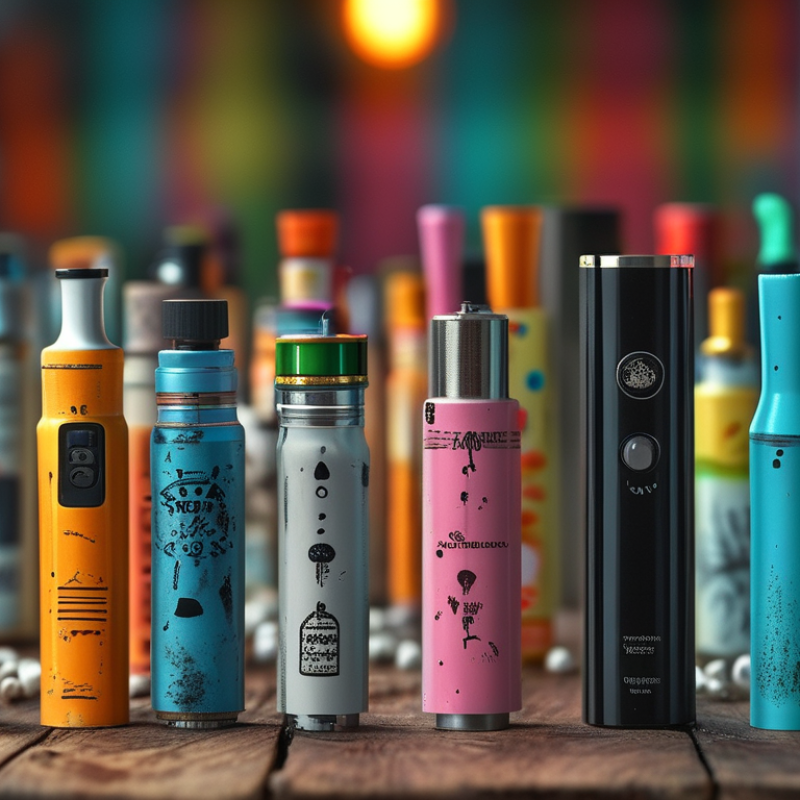
Disposable vapes have surged in popularity, particularly among younger demographics. They are portable, easy to use, and often come in various enticing flavors. Their design appeals to newcomers who might find traditional vaping devices complicated. However, their rise also raises concerns about health and environmental impacts.
Tips: Consider educating yourself about the ingredients in disposable vapes. Many users are unaware of the contents. Understanding these factors can encourage more responsible choices.
Many nations are now questioning the long-term effects of disposable vapes. Critics argue that the convenience leads to increased usage among youth. This has sparked debates about regulation and potential bans. The environmental impact is also significant. A vast number of these products end up in landfills, contributing to pollution.
Tips: If you choose to use vapes, think about the waste you produce. Proper disposal methods can mitigate some impact. Look for recycling options available in your area.
Disposable vapes have gained popularity, but they are increasingly scrutinized for health concerns. Many countries are banning these products due to alarming health reports. According to a study published in the Journal of Public Health, 65% of users experience adverse effects. These range from mild throat irritation to severe respiratory issues. Such findings highlight the risks associated with inhaling unknown substances.
A significant concern with disposable vapes is their often-unregulated contents. The American Lung Association reported that many products contain harmful chemicals, including formaldehyde and heavy metals. These substances contribute to lung damage and may lead to long-term health issues. Furthermore, the ease of access makes them appealing to underage individuals, exacerbating the public health crisis.
Despite these risks, many users underestimate the dangers. A survey indicated that 40% of disposable vape users believe these devices are safe. There is a clear disconnect between perception and reality. This gap calls for stronger regulations and educational efforts. As more countries take action, the need for reliable data and informed public awareness becomes evident.
Disposable vapes have become a significant concern due to their environmental impact. According to a report from the National Institute for Health Research, millions of disposables enter landfills each year, contributing to plastic waste. These devices contain materials that take centuries to decompose, raising alarms among environmentalists. The lithium batteries in vapes pose an additional risk, as improper disposal can lead to soil and water contamination.
The statistics are alarming. A study by the World Health Organization estimates that approximately 1.5 million vapes are discarded daily. This contributes to an increase in e-waste, which is one of the fastest-growing waste streams globally. The toxicity of some chemicals used in these products can leach into the environment, threatening wildlife and ecosystems.
Moreover, there is a growing movement advocating for the regulation of such products. Experts argue that only through stricter laws can we mitigate the adverse effects of disposable vapes. Although the convenience of these products appeals to many, the environmental costs cannot be ignored. Thus, it is crucial to consider sustainable alternatives to reduce long-lasting damage.
| Country | Reason for Ban | Environmental Impact | Year of Implementation |
|---|---|---|---|
| Australia | High waste and pollution levels | Batteries and plastic parts contribute to landfill issues | 2021 |
| Italy | Environmental concerns | Severe impact on marine life from plastic waste | 2020 |
| Spain | Health and environmental issues | Concerns over e-waste and pollution | 2022 |
| Canada | Public health impact and waste management | Increasing disposal problems with batteries | 2023 |
| New Zealand | Growing environmental concerns | Threat to wildlife due to plastic debris | 2024 |
Many countries have imposed bans on disposable vapes. The reasons behind these regulatory responses vary, but public health concerns are a driving force. Governments see the rising popularity of vaping among youth as alarming. They fear that easy access to these devices may lead to nicotine addiction and long-term health problems.
Different nations have approached the issue in distinct ways. Some enforce outright bans, while others may regulate sales and marketing. For example, a few countries have established strict age limits for purchasing vaping products. Others have launched campaigns to educate the public on the risks associated with vaping. These measures aim to curtail usage and protect the younger population.
Such regulatory actions evoke mixed feelings. While they may help mitigate health risks, they can also lead to unintended consequences. Some users may turn to unregulated markets, potentially increasing the risk of unsafe products. There’s an ongoing debate about how to balance public health priorities with personal choice. As more countries rethink their policies, the conversation surrounding disposable vapes continues to evolve.
Many countries have imposed bans on disposable vapes due to health concerns. These devices often contain harmful substances. The implications for consumers are significant. Users may struggle to find alternatives that suit their needs.
The vape industry faces challenges as well. Bans can drive innovation in safer products. However, these regulations can also hinder growth. Smaller companies may lack the resources to adapt. Consumers may lose access to affordable options during this transition.
While health considerations are essential, a balanced approach is necessary. Education on safe vaping practices can empower users. The industry must navigate these changes responsibly. The future of vaping relies on thoughtful regulation and consumer awareness.
: Users report issues like throat irritation and serious respiratory problems.
Many products contain harmful chemicals, such as formaldehyde and heavy metals.
About 40% of users think these devices are safe, despite health risks.
Public health concerns, especially among youth, drive these regulatory actions.
Users may seek unregulated alternatives, risking exposure to unsafe products.
Some countries impose outright bans; others regulate sales and raise age limits.
Bans may hinder growth and limit options for consumers, especially smaller companies.
Yes, bans can drive the development of safer vaping alternatives.
Educating users on safe practices can help mitigate risks associated with vaping.
A balanced approach is crucial for addressing health concerns while respecting personal choice.
The growing popularity of disposable vapes has led to an intense debate regarding their safety and environmental impact. As concerns about the health risks associated with vaping, particularly with disposable devices, continue to surface, many countries are reconsidering their availability. The convenient yet problematic nature of these products raises questions about their long-term effects on public health, prompting regulatory bodies to take action.
In response to these concerns, "Why are disposable vapes being banned in some countries" becomes a crucial inquiry. Countries implementing bans often cite the negative health implications and the significant environmental pollution caused by disposables, which are typically made from non-biodegradable materials. These regulations not only aim to protect consumers but also push for a more sustainable approach in the vape industry, challenging manufacturers to innovate responsibly while considering the broader consequences of their products.

Zeno Vape