A reusable vape pod system needs more than a quick wipe. E-liquid residue can collect around the mouthpiece, pod contacts, and airflow openings. Dust may also enter small gaps during daily use. These details affect hygiene, flavor, and reliable operation.
This guide explains How to clean a reusable vape pod system using careful, practical steps. The seven tips focus on removing residue, drying parts fully, and checking for wear. They also follow common manufacturer safety guidance. Always turn off the device before cleaning, and keep water away from the battery section. Never charge a damp device.
Small details matter. Use a clean, dry cotton swab around the metal contacts. Rinse only removable components when the manufacturer permits it. Then let them air-dry completely before reassembly. A soft cloth can clean the exterior without pushing moisture into the device. Avoid sharp tools, harsh chemicals, and excessive force.
Cleaning is not always enough. A cracked pod, damaged seal, burnt coil, or leaking connection may need replacement. I have learned that a pod can look clean while retaining an unpleasant taste. That is easy to miss. Inspect it under bright light. If the device becomes unusually hot, leaks repeatedly, or shows battery damage, stop using it and consult the manufacturer’s instructions. These habits make maintenance more dependable, though no cleaning routine can repair worn parts. Proper care also means storing the system away from children, pets, and extreme heat.
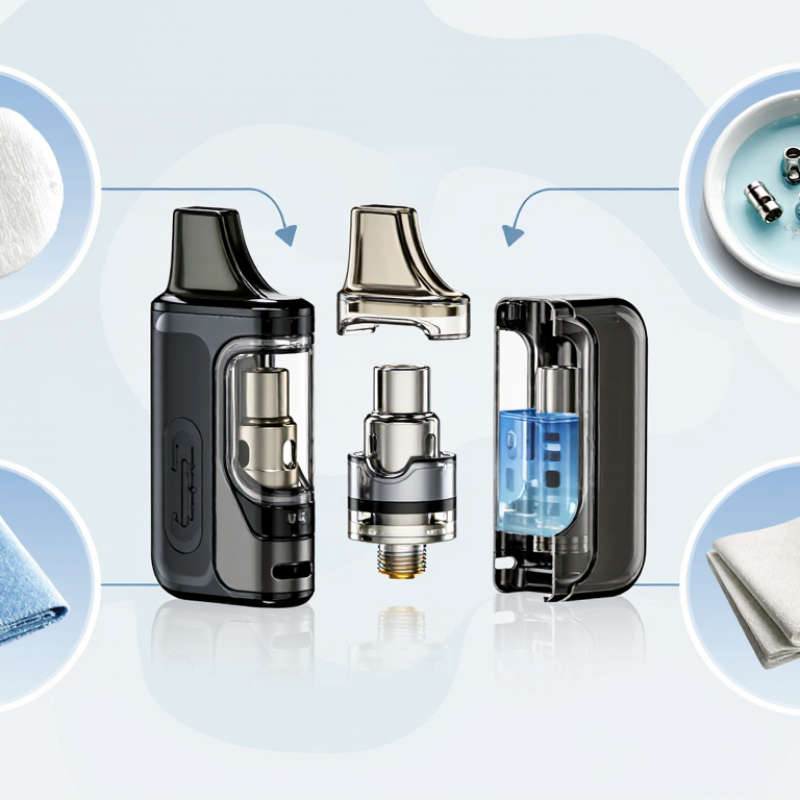
Cleaning a reusable vape pod system starts with safe preparation. Work on a clean, dry table with good ventilation. Wash your hands before handling the device. Keep children and pets away from the area.
Turn off the device and disconnect it from any charger. Remove the pod gently, and take out the coil only if the manual permits it. Never clean a powered device. If the battery is removable, remove it first. Wipe spilled e-liquid with a disposable towel, then wash your hands again. E-liquid should not touch your eyes or broken skin.
I once rushed this step and began wiping while the device was still connected. That shortcut was a mistake. A safer routine uses a dry cotton swab around the contacts and a soft cloth on the exterior. Do not pour water into the battery section. Rinse only pod parts marked as washable, and avoid harsh cleaners. Let every rinsed part air-dry completely before reassembly. Moisture can affect performance.
Check the pod for cracks, loose seals, or unusual residue. Replace damaged parts instead of forcing them back together. Inspect the charging port for lint, but never push metal objects inside. Store the cleaned system upright in a cool, dry place. Read the manufacturer’s care instructions when materials or cleaning limits are unclear. Even experienced users can overlook trapped moisture.
The chart shows practical estimated time for each cleaning step. Always disconnect the battery before cleaning, use water only when the pod manufacturer permits it, keep the battery and charging port dry, and allow all parts to dry completely before reassembly.
Cleaning a reusable vape pod system starts with careful disassembly. Turn the device off and disconnect it from charging power. Remove the pod, mouthpiece, and coil if they are designed to separate. Never force a sealed battery compartment. Check the user manual before removing any unfamiliar part.
Tip 1: Work over a clean towel, so small seals do not roll away.
Tip 2: Keep each component in its original position. I once mixed up two tiny seals. It caused a minor leak.
Rinse the empty pod and mouthpiece with warm water, unless the manual gives different instructions. Use a soft cotton swab around the airflow opening. Do not scrape the plastic with metal tools. Let both parts air-dry completely before reassembly. Moisture can affect performance.
For the coil, replacement is often safer than washing, especially when the wick tastes burnt. Some serviceable coils may allow gentle rinsing, but they need extended drying.
Tip 3: Replace damaged coils instead of trying to rescue them.
Tip 4: Inspect the seal for cracks, flattening, or sticky residue.
Clean the battery section with a dry microfiber cloth. A barely damp swab may remove exterior residue, but liquid must not enter the charging port. Never immerse the battery. Do not use heat, sharp objects, or household solvents.
Tip 5: Check for swelling, dents, corrosion, or unusual warmth. Stop using the device if you notice these signs.
Tip 6: Reassemble only when every part feels fully dry.
Tip 7: Test the airflow gently after assembly, and watch for leaks.
My cleaning routine is not perfect; skipping a seal check once taught me to slow down.
Clean each reusable part with suitable materials, not whatever is nearby. Remove the pod from the device and keep the battery away from liquids. Use a soft, dry microfiber cloth for the exterior. A dry cotton swab works well around the charging port and contact pins. Do not push debris deeper inside. For a removable mouthpiece, rinse it with warm water and mild, unscented soap. Avoid boiling water, abrasive powders, and strong household cleaners. They may damage seals or leave harmful residue.
Wipe metal contacts with a cotton swab lightly dampened with isopropyl alcohol, if the device instructions allow it. Let every part dry completely before reassembly. Never soak the battery section. Never spray liquid into openings. The coil or sealed heating unit usually should not be washed; replace it when it tastes burnt, leaks repeatedly, or produces weak vapor. Check the pod for cracks before refilling. A damaged pod needs replacement.
I used to think a quick rinse was enough, but trapped moisture can cause poor performance. Cleaning too aggressively can also loosen seals. Use gentle pressure and inspect the parts under bright light. If the device becomes unusually hot, smells burnt, or behaves irregularly, stop using it and follow the manufacturer’s safety guidance.
Cleaning a reusable vape pod system is simple, but drying requires patience. Turn the device off and separate the pod, mouthpiece, seals, and other removable parts. Never rinse the battery section or place the electronic body underwater. Use a soft, lint-free cloth to remove visible moisture from each piece.
Pay close attention to small areas. Water and e-liquid can hide inside the mouthpiece, rubber seals, airflow openings, and pod corners. Gently shake the pod over a clean towel, then leave every removable component in a dry, well-ventilated place. Keep the openings facing downward when possible. Avoid hairdryers, ovens, direct sunlight, and strong heat. Heat may deform plastic or damage seals.
Do not rush this step. At least several hours of air-drying is sensible, while overnight drying is safer after thorough rinsing. Before reassembly, touch each component with a clean fingertip. It should feel completely dry, not cool, damp, or slippery. Check the electrical contacts carefully and wipe away condensation with a dry cotton swab. I have seen people reassemble devices too early, then blame the pod for weak performance or leaking. That shortcut is easy to repeat. If moisture remains inside a sealed section, wait longer and follow the device’s care instructions. Replace any damaged seal or cracked pod instead of forcing it back together.
Residue and odor usually begin around the mouthpiece, pod seal, and airflow channel. Wipe these areas with a dry cotton swab after each refill. For stubborn film, use a small amount of isopropyl alcohol on the swab. Keep liquid away from the battery section. Let every part dry completely.
Do not rush. Never rinse the battery.
The pod should be emptied before cleaning. Remove visible liquid from the contacts, then inspect the silicone seal for swelling or cracks. A burnt smell often signals a worn coil, not simple dirt. Replace the pod or coil according to the device instructions. Washing a saturated coil rarely restores clean performance.
The 2018 National Academies report reviewed more than 800 studies and found that aerosol chemistry can change with device conditions. Residue may affect those conditions, although cleaning cannot make vaping risk-free. The report also highlights uncertainty around long-term exposure. That uncertainty deserves honesty.
My first cleaning attempt was too aggressive. I pushed a swab deep into the airflow path and loosened debris. A gentler touch works better. Store the dry pod upright, away from heat and sunlight. Clean weekly if the device is used often, but check it sooner when odor, leaking, or dark liquid appears. Discard damaged parts rather than forcing another refill.
Turn the device off. Separate the pod, mouthpiece, seals, and other removable parts. Never rinse the electronic battery section.
Wipe every part with a soft, lint-free cloth. Shake the pod gently over a clean towel. Keep openings facing downward.
Allow several hours of air-drying. Overnight drying is safer after thorough rinsing. Do not reassemble damp parts.
Touch each part with a clean fingertip. It should not feel cool, damp, or slippery. Inspect corners and airflow openings closely.
Avoid hairdryers, ovens, direct sunlight, and strong heat. Heat can deform plastic or damage rubber seals. Slow drying works better.
Wipe the mouthpiece, seal, and airflow channel after each refill. Use a dry cotton swab. For stubborn film, use minimal isopropyl alcohol.
Check electrical contacts for condensation. Inspect the silicone seal for swelling or cracks. Replace cracked pods or damaged seals.
A burnt smell often indicates a worn coil, not ordinary dirt. Cleaning a saturated coil may not restore clean performance. Replace it as instructed.
Weekly cleaning is reasonable for frequent use. Check sooner when leaking, odor, or dark liquid appears. Store the dry pod upright.
No. Cleaning may reduce residue, but it cannot remove all health risks. Long-term exposure remains uncertain. That deserves honest consideration.
Learning how to clean a reusable vape pod system starts with safety. Turn off the device, disconnect it from any power source, and work on a clean, dry surface. Carefully separate the pod, coil, mouthpiece, and battery components, following the device’s design without forcing any parts. Keep the battery away from water and moisture. Inspect each component for residue, damage, or unusual wear before cleaning.
Use suitable materials for each reusable part. Rinse the pod and mouthpiece with warm water when appropriate, and gently remove buildup with a soft cloth or cotton swab. Avoid soaking electrical components or the coil unless the device instructions specifically allow it. Let every cleaned part air-dry completely before reassembly, as trapped moisture can affect performance. Regularly wiping the mouthpiece, emptying old residue, replacing worn parts, and storing the system in a cool, dry place can help prevent odor and buildup. These simple habits support cleaner operation and extend the useful life of the device.

Zeno Vape