Why is my vape leaking from the airflow holes? This question often appears after e-liquid gathers beneath the tank, wets the device, or leaves a sticky ring around the airflow control. The cause is rarely mysterious. Excess liquid may enter the coil chamber, especially after overfilling, flooding, or leaving the tank in a warm car. A loose coil, damaged O-ring, cracked glass, or poorly fitted chimney can create the same problem.
Phil Busardo, a respected vape hardware reviewer and educator, has repeatedly emphasized a practical point: “A tank does not leak because it is bad; it leaks because something is out of balance.” That idea is useful, although it does not explain every case. Air pressure, liquid thickness, temperature, and sealing all interact inside a small tank. Even a new device can leak when its parts are assembled too quickly.
Start with the simple details. Check the coil base. Inspect every seal. Wipe the airflow holes with a dry tissue. Do not ignore condensation. It can look like a serious leak.
I have seen users tighten every part aggressively, then discover a missing O-ring. More force was not the solution. If the device continues leaking, stop using it until the cause is clear. Replace damaged components with manufacturer-approved parts, and follow the product instructions. A careful inspection is safer and more reliable than repeated guessing.
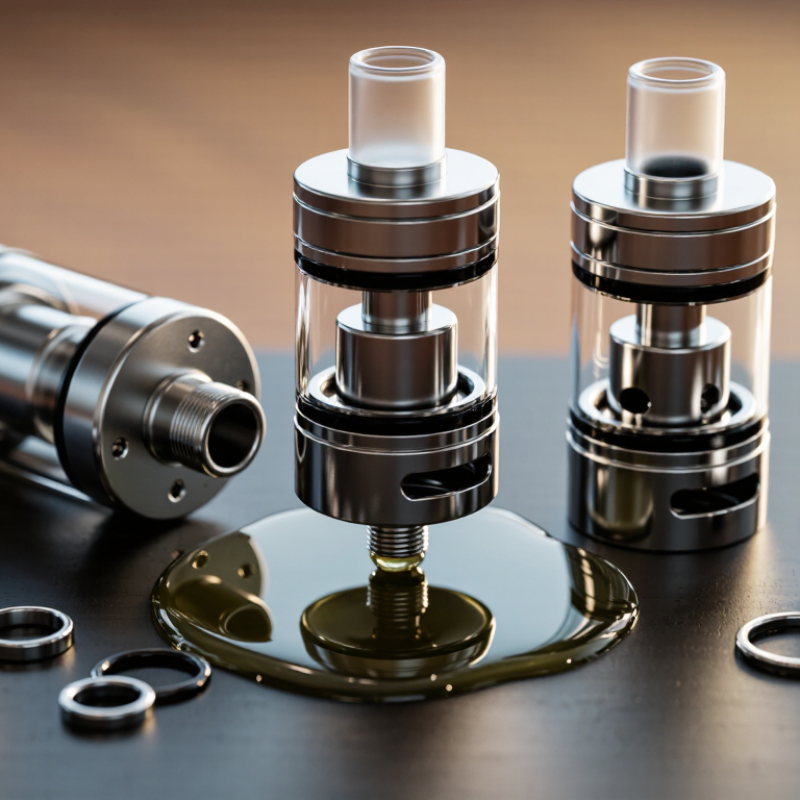
Vape leaking through airflow holes usually means excess e-liquid has entered the coil chamber. The airflow slots sit at the lowest point, so gravity gives the liquid an easy exit. Overfilling, loose seals, and a flooded coil are common causes. Thin e-liquid may worsen the problem. Temperature changes can also expand trapped liquid inside the tank.
From practical device checks, a gurgling sound often appears before visible leakage. A 2024 ASH adult vaping survey estimated 5.6 million adults vape in Great Britain. This large user base makes basic maintenance important, especially for people carrying devices in pockets or bags. However, leakage data is not measured consistently across the industry. That gap matters. I may identify the coil as the cause too quickly, while a damaged seal could be responsible.
Tips:
Why Is My Vape Leaking From Airflow Holes?
Identifying the Main Causes of Airflow Leakage
Liquid appearing through the airflow holes usually signals a flooding problem. The tank may be overfilled, leaving little room for pressure changes. A loose coil can also allow liquid to bypass its seal. Check the base, coil connection, and rubber rings for gaps or damage. Even a small tear can create a visible leak. Condensation may look similar, but it usually forms as a thin film rather than steady drops.
Liquid thickness and temperature also matter. A very thin liquid can enter the coil chamber too quickly. Heat can make the liquid run more freely. Tightening the tank firmly helps, but forcing it may damage the threads. In practice, diagnosis is not always neat. I have seen leaks continue after cleaning because the real issue was a worn seal. Stop using the device if liquid reaches the battery area or the exterior becomes damaged.
Tips: Empty excess liquid before inspection. Wipe the airflow holes with a dry tissue. Replace damaged seals or coils with compatible parts. Keep the device upright during storage. Avoid blowing hard into the mouthpiece, since this can push liquid toward the airflow channel. If leakage returns, follow the user manual or ask a qualified retailer for inspection.
Main causes identified during airflow-leakage troubleshooting
E-liquid commonly reaches the airflow holes when the tank is overfilled, the coil is flooded, seals are damaged or misplaced, condensation accumulates in the airflow path, or the device is stored at an angle. Start by checking the coil and O-rings, then clean the airflow channel and confirm that the tank is filled below the maximum line.
China Top Vape: Why Is My Vape Leaking From Airflow Holes?
Liquid leaking through the airflow holes usually points to a tank, coil, seal, or filling problem. Start with a cool, disconnected device. Remove the tank and check for cracks, loose threads, or liquid around the base. A coil that is not tightened properly can leave a small gap. Over-tightening can also damage its seal. I used to blame the coil immediately, but trapped condensation sometimes looked like a serious leak.
Inspect every rubber seal for stretching, cuts, or flattening. Replace damaged seals and wipe the tank completely dry before testing it. Check the e-liquid too. Very thin liquid may pass through the coil faster than it can absorb. Thick liquid can cause poor wicking, pressure changes, and occasional flooding. Avoid filling above the recommended line, and close the airflow before filling when the tank design allows it.
Tips: Keep the device upright and carry it gently. After filling, let the coil sit for several minutes. Take slow, controlled puffs instead of sharp pulls. If gurgling continues, remove excess liquid with a tissue around the mouthpiece and airflow base. Do not use the device if liquid reaches the battery area. My own checks are not always perfect; repeating them slowly often reveals a loose coil or a missed seal.
| Possible Cause | Typical Sign | What to Check | Recommended Action | Priority |
|---|---|---|---|---|
| Loose tank connection | E-liquid appears around the tank base or airflow ring after filling or assembly. | Check whether the tank, base, and coil are fully aligned and securely fitted. | Disassemble the tank, wipe all threaded surfaces dry, and reassemble without cross-threading or excessive force. | High |
| Damaged or displaced O-ring | Persistent seepage continues even when the tank is correctly tightened. | Inspect the tank glass, top cap, coil base, and all visible silicone seals for cuts, flattening, or gaps. | Replace the damaged seal or glass section with the correct compatible part. Do not use a stretched or torn seal. | High |
| Coil not installed correctly | Leaking begins immediately after a coil replacement or tank cleaning. | Verify that the coil is straight, fully seated, and tightened according to the tank design. | Remove and reinstall the coil. Replace it if the base seal is missing, damaged, or visibly deformed. | High |
| Overfilled tank | Liquid enters the central chimney or airflow area after filling. | Check whether the liquid level is above the designated maximum fill line or leaves no air space. | Remove a small amount of e-liquid, clean the chimney and airflow ring, and close the fill port securely. | Medium |
| Incorrect filling technique | The device leaks directly after refilling, especially around the center tube. | Determine whether e-liquid was poured into the central airflow chimney instead of the outer fill port. | Keep liquid out of the center tube, leave a small air gap, close the fill port, and wipe away excess liquid. | Medium |
| E-liquid is too thin | Flooding or leakage occurs with a liquid containing a high proportion of propylene glycol. | Review the PG/VG ratio and compare it with the coil and tank specifications. | Use a liquid viscosity recommended for the device. Avoid changing to a thicker liquid unless the coil supports it. | Medium |
| Coil is saturated or flooded | Gurgling, weak vapor, bubbling, and liquid collecting in the airflow path. | Listen for gurgling and inspect the coil area for excess liquid after filling or storage. | Clean the airflow path, gently clear excess liquid, and use the recommended power range. Replace the coil if flooding persists. | Medium |
| Power setting is too low | The coil remains heavily saturated and produces little vapor at the selected wattage. | Compare the current wattage with the operating range printed on the coil. | Use the coil's stated range and adjust gradually. Stop if the coil becomes excessively hot or produces a burnt taste. | Medium |
| Tank stored on its side or in heat | Leakage is more noticeable after transport, warm temperatures, or extended sideways storage. | Check the device position, ambient temperature, and whether pressure changes occurred during travel. | Store the tank upright in a cool, dry place. Clean the airflow holes before use. | Medium |
| Cracked tank or damaged airflow base | Liquid leaks rapidly, and a visible crack, dent, or separation is present. | Inspect the glass, metal base, threads, and airflow-control assembly under good lighting. | Stop using the device and replace the damaged component. Keep e-liquid away from skin and electronic contacts. | Critical |
China Top Vape: Why Is My Vape Leaking From Airflow Holes?
When liquid appears around the airflow holes, the tank may have lost its seal. Condensation can look similar, so wipe the base with a dry tissue first. If fresh liquid returns, turn off the device and remove the tank carefully. Check whether the coil is firmly fitted, but avoid excessive force. A loose coil can allow liquid into the airflow chamber. An over-tightened coil may also damage its seal.
Follow a simple repair process. Empty the tank, then inspect every O-ring for cuts, flattening, or displacement. Replace damaged seals with the correct size. Check the glass for hairline cracks. Reassemble the tank while keeping all parts clean and dry. Fill below the maximum line, and keep liquid away from the central chimney. Close the airflow before filling if your device allows it. After filling, leave the tank upright for several minutes. This step is easy to skip. It can matter.
Tips: Keep the device upright in a pocket or bag. Avoid sudden temperature changes, which can thin the liquid and worsen leaks. If the coil is new, allow it to absorb liquid without flooding the chamber. Use the recommended liquid thickness for your device. Do not continue using it if liquid reaches the battery area. Persistent leaking often means a worn seal, damaged tank, or unsuitable coil. A qualified retailer or technician should inspect it.
Liquid around the airflow holes often signals flooding, loose seals, or overfilling. It can also come from sudden temperature changes. Warm liquid becomes thinner and moves through tiny gaps more easily. Keep the tank upright whenever possible. A sideways tank can slowly feed liquid into the airflow chamber. Check the fill seal after every refill. Even a small fold can create a leak path.
Clean the base with a dry cotton swab before reassembling the device. Do not overtighten the tank, because pressure can distort the silicone seal. Replace damaged seals promptly. They may look acceptable but still fail under pressure. Use the recommended liquid level, leaving a little air space inside the tank. After filling, wait several minutes before use. This helps the coil absorb liquid evenly. Take gentle draws instead of repeated hard pulls. Strong suction can pull excess liquid into the coil. Small habits matter.
Store the device away from direct sunlight and hot cars. Wipe the connection area each evening. It takes seconds. If leaking continues, stop using the device and inspect the coil, seals, and threading. In practice, cleaning is often skipped, and that is where problems begin. A careful routine reduces leaks, though it cannot repair worn parts. Dispose of damaged components responsibly and follow local safety guidance for batteries.
Excess e-liquid may have entered the coil chamber. Gravity pulls it toward the lowest airflow openings.
Yes. Filling above the maximum line leaves little space for pressure changes. Keep liquid below the marked limit.
Gurgling often suggests a flooded coil. Avoid forceful inhalation, which can push more liquid into the airflow channel.
Inspect the rubber rings for cracks, flattening, or gaps. A small tear can create steady drops.
Yes. Thin liquid can enter the coil chamber too quickly. Heat may make it flow even faster.
Wipe the airflow ring and holes with a dry tissue. Empty excess liquid before checking the base.
Not always. Condensation usually appears as a thin film, while leakage creates repeated or steady drops.
Store the device upright and away from direct heat. A pocket or bag can hide small drops.
Tighten it securely, but do not force it. Excess pressure may damage the threads or seals.
Stop if liquid reaches the battery area or the exterior becomes damaged. Follow the safety guidance.
If you are wondering, “Why is my vape leaking from the airflow holes,” the problem usually comes from excess e-liquid inside the tank or airflow chamber. Common causes include an incorrectly installed coil, worn or damaged seals, a loose tank connection, overfilling, or using an e-liquid that is too thin for the device. Changes in temperature, improper storage, and drawing too forcefully can also push liquid through the airflow path. Carefully inspect the tank, coil, seals, and e-liquid before attempting a repair.
To fix the leak, first empty and clean the device, then check that the coil is firmly fitted and replace it if it appears damaged or flooded. Inspect all seals for cracks, tighten the tank without overtightening, and fill only to the recommended level. After reassembly, keep the device upright and take gentle draws. Regular cleaning, correct filling, proper storage, and timely replacement of worn parts can help prevent future leaks and maintain a smoother vaping experience.

Zeno Vape