How to Store Vape Juice to Prevent Leaks in 2026?

Time:2026-10-12 Author:Oliver
0%

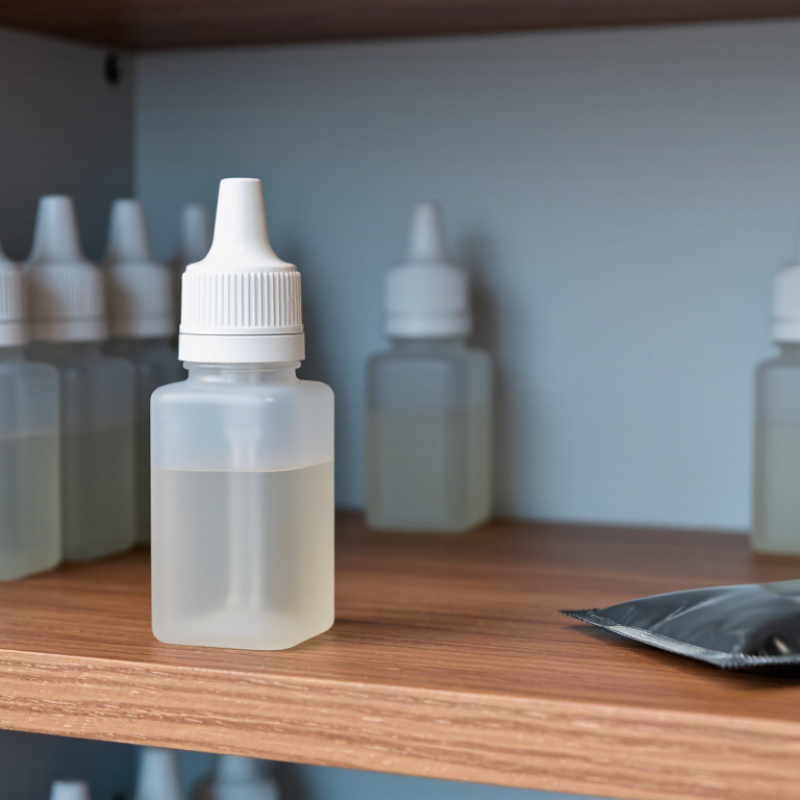
Leaking vape juice is rarely dramatic at first. A sticky bottle, stained pouch, or faint smell may be the only warning. How to store vape juice to prevent leaking starts with four factors: temperature, position, pressure, and container condition. Keep bottles tightly closed and upright. Store them away from heat, direct sunlight, and freezing temperatures. A cool, stable cupboard is safer than a car, windowsill, or bathroom shelf.

Small habits often matter more than expensive accessories. Wipe the bottle threads before closing the cap. Check the seal and inspect the plastic for cracks. Do not place bottles beside keys, tools, or sharp objects. Those details seem minor. They are not. A loose cap can turn a short trip into a messy bag. Heat inside a parked vehicle may also increase pressure and soften some packaging. Follow the manufacturer’s instructions when they provide temperature limits or material guidance.

Safe storage protects people, pets, and the product itself. Keep bottles in their original, clearly labeled containers. Store them securely, away from children and animals. A leak-resistant pouch adds protection, but it cannot repair a damaged cap. If a bottle leaks, swells, cracks, or changes unusually, isolate it and follow local disposal guidance. No method is perfect. I still catch myself checking only the cap, while the bottle base may be the real problem. The sections ahead explore practical routines, common mistakes, and cleaner ways to prevent avoidable leaks.
How to Store Vape Juice to Prevent Leaks in 2026?

Choosing the Right Vape Juice Containers for Leak Prevention

How to Store Vape Juice to Prevent Leaks in 2026?

Choosing the Right Vape Juice Containers for Leak Prevention

The container matters more than many people expect. Choose a rigid, leak-resistant bottle made from compatible HDPE, PET, or glass. Its neck should have clean threads, a firm gasket, and a child-resistant closure. The cap should click or stop turning evenly. Loose threads are warning signs.

Keep the bottle upright.

A narrow opening reduces spills during filling. An induction seal adds protection, but it cannot repair a poorly fitted cap. For portable storage, avoid soft bottles that collapse inside a bag. Leave a small amount of headspace, because heat can increase internal pressure. Store containers away from sunlight, radiators, and freezing temperatures.

The CDC’s MMWR report recorded 3,073 e-cigarette and liquid-nicotine exposure calls in 2014. More than half involved children under five. That history supports using certified child-resistant packaging, not relying on a decorative cap. CPSC incident data also links leaking or accessible liquid containers with preventable exposure risks.

In practical checks, wipe the threads before closing the bottle. Then turn it upside down briefly over a sink. I still inspect every cap twice; one rushed closure can defeat good packaging. ISO 8317 testing is useful, but real storage conditions remain imperfect. A certified container can still leak after repeated drops, over-tightening, or chemical incompatibility. Replace cracked bottles immediately, even when the damage looks minor.

Preparing Vape Juice Bottles for Safe, Leak-Free Storage

Preparing the bottle matters as much as choosing its storage place. Wash and dry your hands before handling vape juice. Check the bottle for cracks, cloudy plastic, or a loose cap. Inspect the threads carefully. Even a small drop around the neck can signal a poor seal.

Wipe the bottle and cap with a clean, dry cloth. Do not store a wet bottle. Leave the original closure in place, and avoid overfilling any container. Extra liquid can press against the seal when temperatures change. Record the contents and storage date on a simple label. Keep the bottle upright in a cool, dark cabinet, away from sunlight, heaters, children, and pets. A small sealed bag adds protection against unexpected drips.

I used to trust a tight cap without checking the threads. That was careless. A cap may feel secure while sitting slightly crooked. Before moving stored bottles, gently turn each one upright and check for moisture. Replace damaged containers instead of covering leaks with tape. Store bottles in a firm box so they cannot roll or fall. Avoid freezing or hot environments, since expansion and contraction may weaken the seal. Inspect older bottles regularly, even when they look untouched.

Controlling Temperature, Light, and Humidity in Storage Areas

How to Store Vape Juice to Prevent Leaks in 2026?

Proper storage begins with a stable temperature. Keep vape juice in a cool indoor area, ideally around 15–25°C. Avoid windowsills, cars, radiators, and kitchen cabinets near ovens. Heat can thin the liquid, increase pressure, and weaken bottle seals. Sudden temperature changes may also encourage leaks. A cupboard is usually safer than a garage.

Light matters too. Direct sunlight can degrade ingredients and alter the liquid’s color, flavor, and consistency. Store bottles in their original opaque packaging or inside a closed drawer. Keep the area dry, because high humidity can damage labels, caps, and nearby surfaces. Do not store bottles in refrigerators unless the manufacturer specifically permits it. Condensation and expansion can create problems.

Tips: Keep every bottle upright and tightly closed. Check the cap after each use. Place bottles in a shallow tray for extra protection. Inspect older bottles for swelling, cracks, sticky residue, or unusual odor. Replace damaged containers instead of testing them. Keep storage areas inaccessible to children and pets, following local safety requirements. A small mistake can matter. I may be overly cautious, but stable conditions are easier to control than a leaked bottle.

Positioning and Organizing Bottles to Reduce Leakage Risks

Proper bottle positioning is one of the simplest ways to reduce vape juice leaks. Keep every bottle upright, with the cap facing upward. A stable tray works better than a loose drawer. It prevents bottles from rolling, tipping, or pressing against one another. Leave a small gap between containers, especially when their caps have ridges or narrow tips.

Keep bottles away from heat, sunlight, and sudden temperature changes. A cool, dark cabinet is usually more suitable than a car, windowsill, or warm kitchen shelf. Avoid storing them in a refrigerator unless the product instructions specifically allow it. Cold temperatures can change the liquid’s thickness and make dispensing less predictable. The cabinet door may seem convenient, but frequent movement can disturb poorly sealed bottles.

Organize bottles by size and use frequency. Place taller containers at the back and smaller ones near the front. Keep opened bottles separate from unopened ones, and check cap threads before returning them to storage. Wipe any residue immediately with a clean, dry cloth. Small leaks grow quietly.

A tray with raised edges adds useful protection. Still, it is not a complete solution. I would recheck the arrangement after moving several bottles, because a neat shelf can become unstable quickly. Do not stack bottles unless their packaging clearly supports it. Store them securely away from children, pets, and food, following the product’s safety instructions.

How to Store Vape Juice to Prevent Leaks in 2026?

Positioning and Organizing Bottles to Reduce Leakage Risks

Temperature changes can increase pressure in the air space inside a sealed bottle. The chart uses the ideal-gas relationship and takes 20°C as the reference level. Store bottles upright, keep caps tightly closed, avoid direct sunlight and heat sources, and place them in a stable organizer to reduce tipping and cap stress.

Pressure index calculation: absolute temperature in Kelvin ÷ 293.15 × 100. This is a physical pressure comparison, not a measured leak-probability percentage.

Inspecting, Transporting, and Replacing Stored Vape Juice Safely

How to Store Vape Juice to Prevent Leaks in 2026?

Inspect each bottle before storing it. Look for a raised cap, cracked seal, cloudy liquid, or a sharp chemical smell. Do not use a damaged bottle. A 2023 report from the U.S. Poison Centers recorded thousands of exposure cases involving electronic cigarette devices and liquid nicotine. Small leaks still create real household risks, especially around children and pets. Keep every bottle locked, upright, and away from heat, sunlight, and food.

Transport needs more care. Wipe the bottle completely, tighten the cap, and place it inside a sealed secondary bag. A rigid container is better than a loose pocket. Avoid leaving vape juice in a hot vehicle. The U.S. Food and Drug Administration advises storing nicotine products in their original, child-resistant containers. That advice is practical, not decorative. Still, child-resistant does not mean child-proof.

Check stored liquid every few weeks. Replace bottles with damaged labels, separated liquid, or an unusual odor. Many users keep juice too long, assuming a dark drawer solves everything. It does not. A 2021 review in the Journal of Environmental Science and Health reported that light, oxygen, and heat can accelerate chemical changes in e-liquid ingredients. Discard questionable liquid through local household hazardous-waste guidance. Never pour it into sinks or soil. My own weak habit was checking caps but ignoring labels. That mistake is easy to repeat.

How to Store Vape Juice to Prevent Leaks in 2026? — Inspecting, Transporting, and Replacing Stored Vape Juice Safely
Safety Stage What to Check or Do Recommended Practice Warning Signs Action
Before Storage Inspect the bottle, cap, nozzle, and tamper-evident seal. Store only bottles that are intact, tightly closed, and clearly labeled with the liquid contents and nicotine strength. Cracked bottle, loose cap, damaged seal, unreadable label, or liquid around the closure. Do not store or use a damaged container; follow local hazardous-waste guidance.
Container Position Keep the bottle upright with the cap at the top. Use a stable, leak-resistant secondary container or tray to contain minor leakage. Bottle stored on its side, frequent tipping, or residue near the cap. Wipe the outside of the container and return it to an upright position.
Temperature Protect the liquid from heat and extreme temperature changes. Keep it in a cool, dry place away from direct sunlight, radiators, vehicles, ovens, and other heat sources. Avoid freezing unless the product instructions specifically permit it. Swollen container, separated ingredients, unusual pressure, or repeated heating and cooling. Move the bottle away from heat. Do not use a container that is swollen, cracked, or pressurized.
Light Exposure Limit exposure to sunlight and strong artificial light. Keep the original opaque or amber container inside a closed cabinet or drawer. Marked darkening, fading, or a noticeable change in appearance. Compare with the expected appearance and product instructions; replace if quality is uncertain.
Child and Pet Safety Prevent access by children and animals. Store in a locked or securely inaccessible location, separate from food, drinks, and medicines. Bottle left within reach, missing cap, leaking liquid, or spilled liquid. Secure the area immediately and clean spills while wearing suitable protective gloves.
Routine Inspection Check the bottle and storage area periodically. Look for leaks, sticky residue, loose caps, label damage, cloudiness, particles, and unexpected color or odor changes. Any change that cannot be explained by the product instructions or normal storage conditions. Isolate the bottle from other items and do not refill or use it until its condition is confirmed.
Transport Reduce movement, heat, and pressure during travel. Keep the tightly closed bottle upright in a sealed, leak-resistant bag or container with absorbent material. Bottle rolling freely, exposure to sunlight, high cabin or vehicle temperatures, or pressure changes during air travel. Inspect the container after transport before placing it back into storage or using it.
Air Travel Follow current airline and aviation regulations. Check the airline and destination rules before travel. E-liquid containers may be subject to limits for liquids and restrictions on where vaping devices or batteries may be carried. Unclear labeling, oversized liquid container, or prohibited checked-baggage placement. Do not rely on general advice; verify the applicable rules for the specific route and carrier.
Leak Response Handle spilled liquid carefully, especially when nicotine is present. Keep children and pets away, wear disposable gloves, absorb the spill, and clean the surface with soap and water. Liquid on skin, in eyes, or on household items; nausea, dizziness, vomiting, sweating, or other concerning symptoms after exposure. For exposure or symptoms, contact local poison-control or emergency services promptly and follow their instructions.
Replacing Stored Liquid Decide whether the liquid is still suitable for use. Replace it if the bottle is damaged, the liquid has an unexplained change in color, odor, texture, or clarity, or the product is beyond its stated shelf-life guidance. Unknown age, missing product information, contamination, separation that does not resolve as directed, or persistent off-odor. Do not pour unwanted e-liquid into sinks, toilets, soil, or storm drains.
Disposal Dispose of unwanted liquid and containers responsibly. Keep the original container closed, place it in a secure secondary container, and contact local household hazardous-waste or chemical-disposal services. Unlabeled liquid, leaking waste container, or disposal instructions that conflict with local rules. Use local authority guidance because disposal requirements vary by location and nicotine concentration.
After Opening Minimize repeated exposure to air and contamination. Close the cap immediately after each use, avoid touching the nozzle, and never return used liquid to the original bottle. Cap left open, blocked nozzle, foreign particles, or liquid transferred between incompatible containers. Clean the exterior and nozzle carefully; replace the bottle if contamination cannot be ruled out.

FAQS

How should I prepare a vape liquid bottle before storage?

Wash and dry your hands. Check the bottle, cap, and threads for cracks, cloudiness, or looseness. Wipe everything with a clean, dry cloth. Do not store a wet bottle.

Why should bottles remain upright?

Upright storage keeps liquid away from the cap seal. Use a stable tray with raised edges. It helps prevent rolling and tipping. Small leaks grow quietly.

What temperature is suitable for storage?

Keep bottles in a cool indoor area, ideally around 15–25°C. Avoid cars, windowsills, radiators, and warm kitchen shelves. Sudden temperature changes can weaken seals.

Should vape liquid be stored in a refrigerator?

Usually, no. Refrigeration may change liquid thickness and create condensation. Follow the product instructions if cold storage is specifically permitted.

How can light and humidity affect stored bottles?

Direct sunlight may change color, flavor, and consistency. Store bottles inside closed drawers or opaque packaging. Keep the area dry to protect labels, caps, and nearby surfaces.

What should I do if a bottle shows leakage or damage?

Replace bottles with cracks, swelling, sticky residue, unusual odors, or damaged threads. Do not cover leaks with tape. I once trusted a tight cap without checking it. That was careless.

How should several bottles be organized?

Keep taller bottles at the back and smaller ones near the front. Separate opened bottles from unopened ones. Leave gaps between containers, especially around narrow tips.

How can I protect stored bottles from children and pets?

Keep them in a firm, inaccessible cabinet. Store them away from food, sunlight, and heat. A sealed bag can contain unexpected drips. Check local safety requirements. Personally, I may be overly cautious, but extra distance is easier than cleanup.

Conclusion

How to store vape juice to prevent leaking starts with choosing sturdy, leak-resistant bottles made from compatible materials, with secure caps and intact seals. Before storage, wipe the bottle and cap clean, check for cracks or loose closures, and avoid overfilling so pressure does not force liquid out. Store bottles upright in a cool, dark, and dry location away from direct sunlight, heat sources, and excessive humidity. A stable temperature helps reduce expansion, while a covered container can provide extra protection against accidental spills.

Organize bottles so they cannot fall, roll, or become squeezed by other items. Keep them in a clearly labeled, secure place away from children and pets. During transport, use a padded, upright container and avoid leaving bottles in hot vehicles or freezing conditions. Inspect stored bottles regularly for swelling, residue, discoloration, damaged caps, or unusual odors. Any compromised or expired product should be isolated and disposed of responsibly according to local requirements.

Oliver

Oliver

Oliver is a seasoned marketing professional with a wealth of expertise in driving brand awareness and engagement. With a deep understanding of our company's product offerings, he consistently delivers high-quality content that enriches our professional blog. His insights not only shed light on......